
Interviews by the IHU Strasbourg
Issue 1: Ethics in Health ResearchThe IHU Strasbourg’s new scientific event.
Wednesday, April 29 | 2:00–6:00 p.m. | Auditorium of the BNU in Strasbourg.

A Call for an Ethical Revolution
Our world is in the midst of a major transition. Never before in the history of modern humanity have we faced so many challenges.
The concept of progress is being replaced by an explosion of technological discoveries that are profoundly changing the world… and humanity.
This dizzying leap propels us into a future that our survival instinct makes us perceive as uncertain.
What a paradox! We have never had so much wealth and so many solutions, and yet we feel as though we are stumbling toward our future, destabilized by a profound existential crisis.
How should we respond to this? The immense demographic, health, environmental, and geopolitical constraints seem to leave us stunned.
So, shouldn’t we return to the fundamentals—that is, re-examine progress with a different approach that cannot be exclusively technological?
Let us not be swept away by a technophile mythology of “The future is now,” which conveys self-fulfilling prophecies of “TINA” (So in a sense we do have to do it. There really is No Alternative).
Let us return to science, art, and philosophy, mindful that this must not be done in an elitist manner, but with a unifying commitment that allows everyone to understand and bring this new narrative to life.
We must make the immense effort to bring together even the most disadvantaged, despite their oppressive life circumstances, to restore a collective momentum for as many people as possible. The challenge remains to find the keys to the method.
I am convinced that science can be a tremendous resource, but “it is not enough to know; one must apply. It is not enough to want; one must act. But how can one act, if not with conscience?” (Goethe).
Science gives us immense power, but only ethics can show us how to use it. Ethics is, above all, a work of humility.
Let us remember that “science has made us gods even before we deserved to be human” (Jean Rostand).
This ethical debate is fundamental, but we must now approach it with a multidimensional perspective. These dimensions are biomedical, technological (AI), environmental, sociological, anthropological, and philosophical.
Science, which grants humanity unprecedented power, must adhere to “a principle of universal responsibility” (Albert Schweitzer, Hans Jonas) in the service of a more humanistic vision of society.
This vision must be democratically debated with a profound commitment to “global” justice that takes into account the immense diversity of our societies.
Medical bioethics can no longer be separated from a “global bioethical” vision, mindful of the interdependence of everything that makes up our ecosystems. More specifically, this bioethics must adapt to major changes in human health, which is threatened by an environment we are destroying.
In the case of “complex” diseases caused by increasingly well-understood interactions between exposomes and humans, we must revisit our ethical standards by referring to a fundamental principle: respect for all that is “life” and all that enables this “life” in our world.
In practical terms, we are facing a major challenge.
Today and tomorrow, how do we evaluate everything that research will uncover? We must be able to identify the most relevant innovations by measuring not only their environmental impact but also their affordability, so that as many people as possible can benefit from them.
This is a colossal challenge that will reshape the bioethical approach. To achieve this, we must pool our wisdom and “speak” to as many people as possible so that the evolution of our societies is also an ethical revolution.
The path is narrow, but this great journey is vital!
May this “Science and Society” conference dedicated to research ethics be a defining moment. Many more will be needed… but let each of us contribute that touch of determination that can change the world a little, but above all, preserve it.
“The goal of science is to understand the world, not to dominate it” (Hubert Reeves)
Jean SIBILIA
Speakers
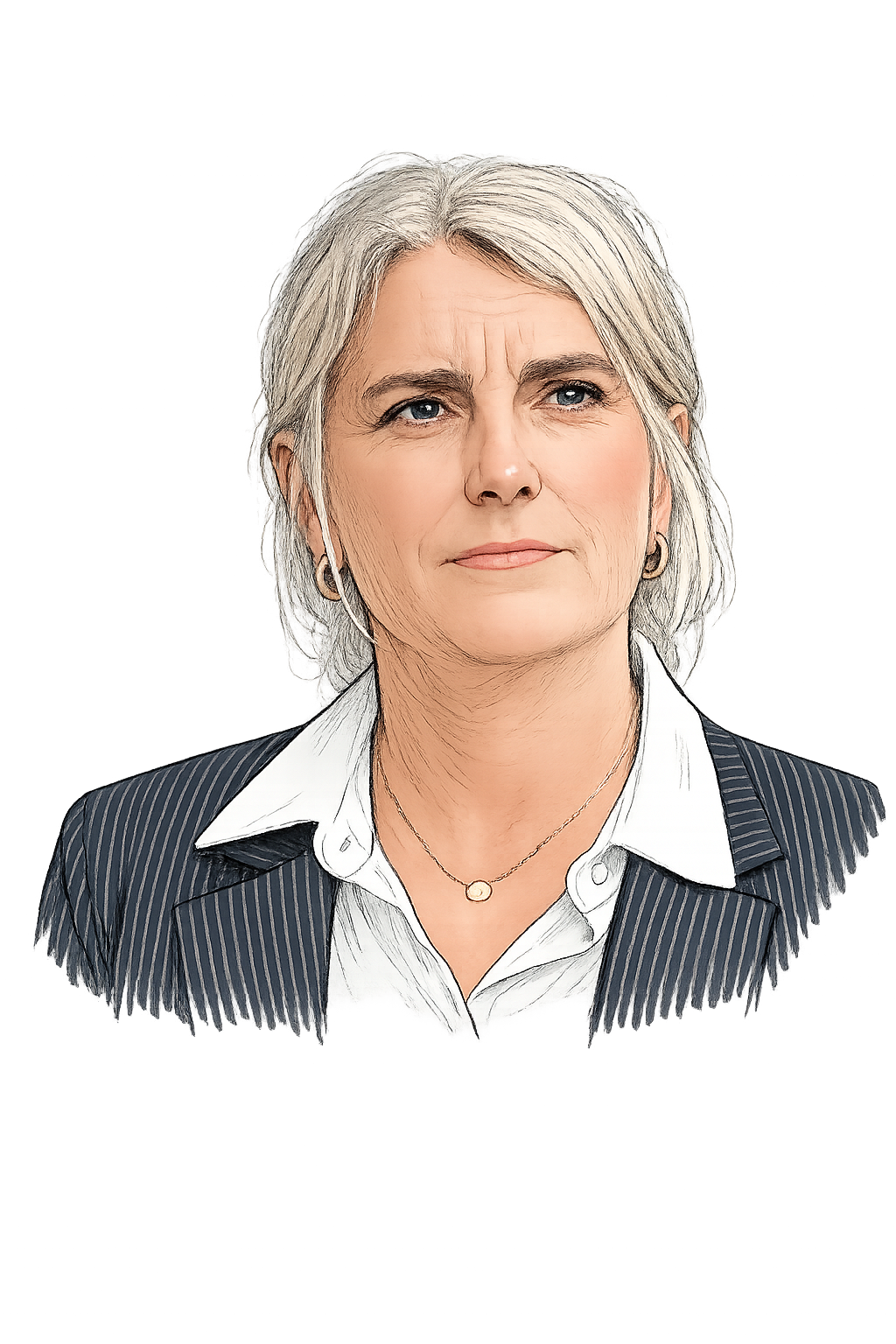
Stéphanie RIST
Minister of Health, Families, Independence, and People with Disabilities
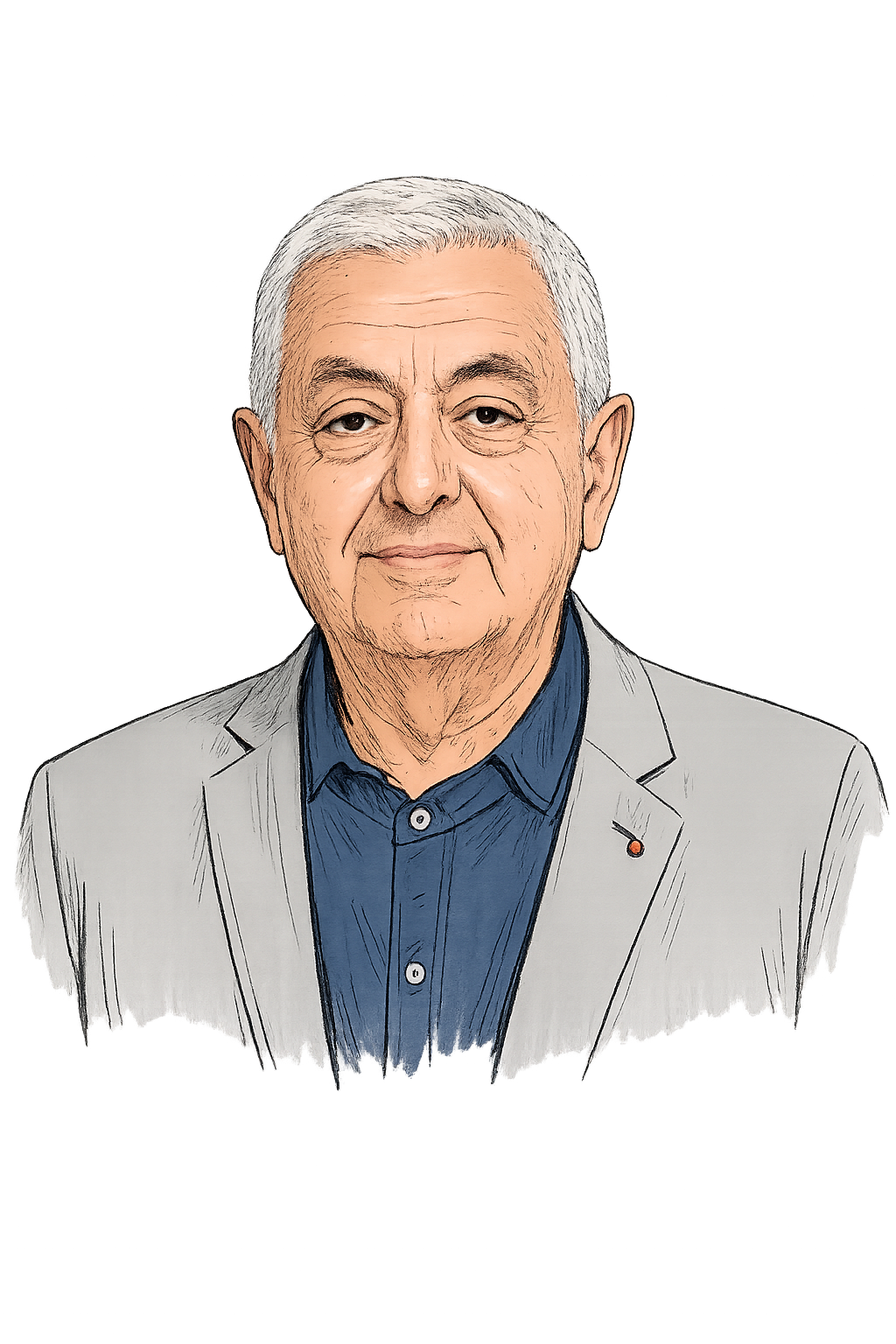
Albert-Claude BENHAMOU
Chairman of the Board of Directors of the IHU Strasbourg, Inclusion France 2030 Liaison at the SGPI, former President of the National Academy of Surgery
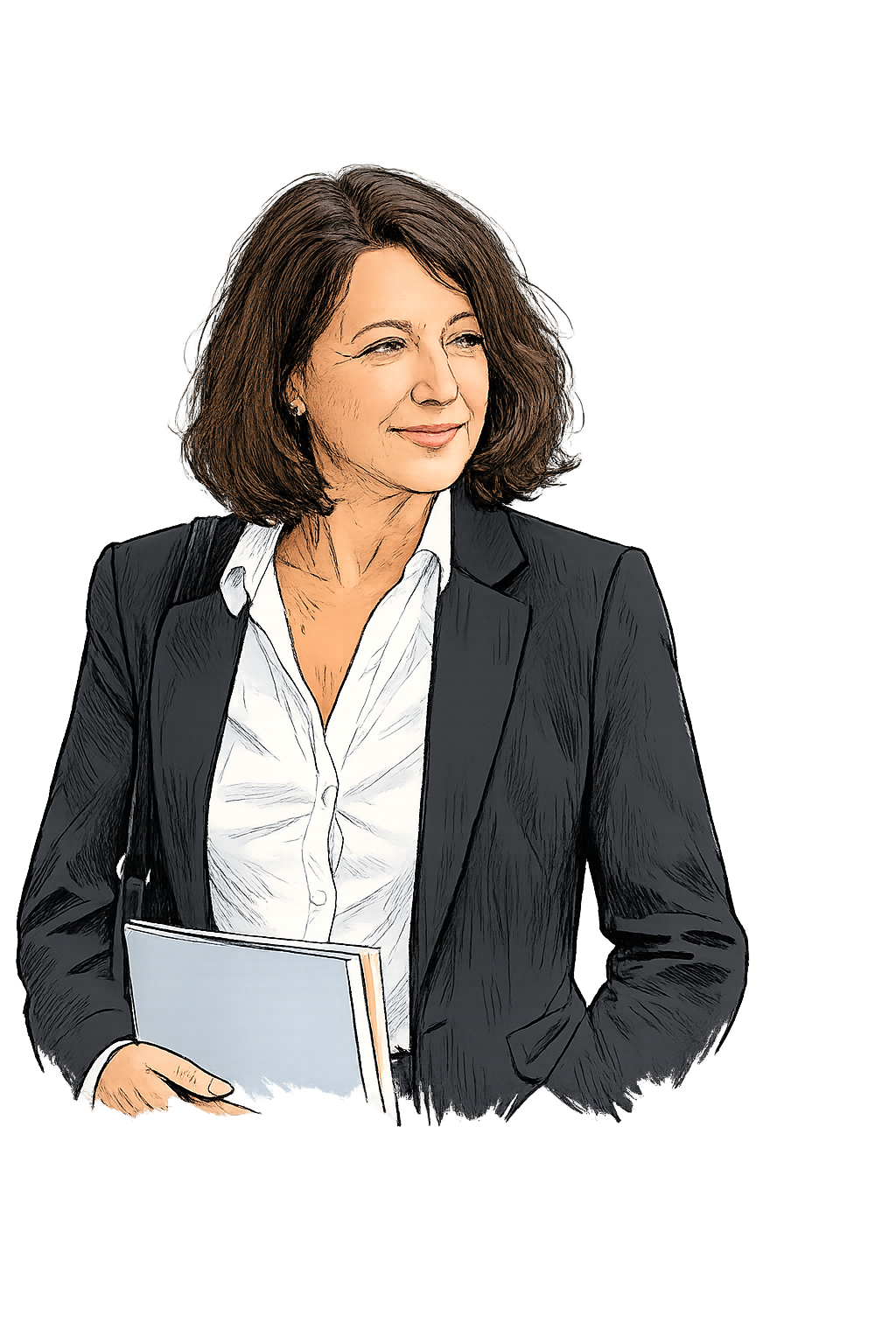
Agnès BUZIN
Former Minister of Solidarity and Health, President of the Evidences Institute
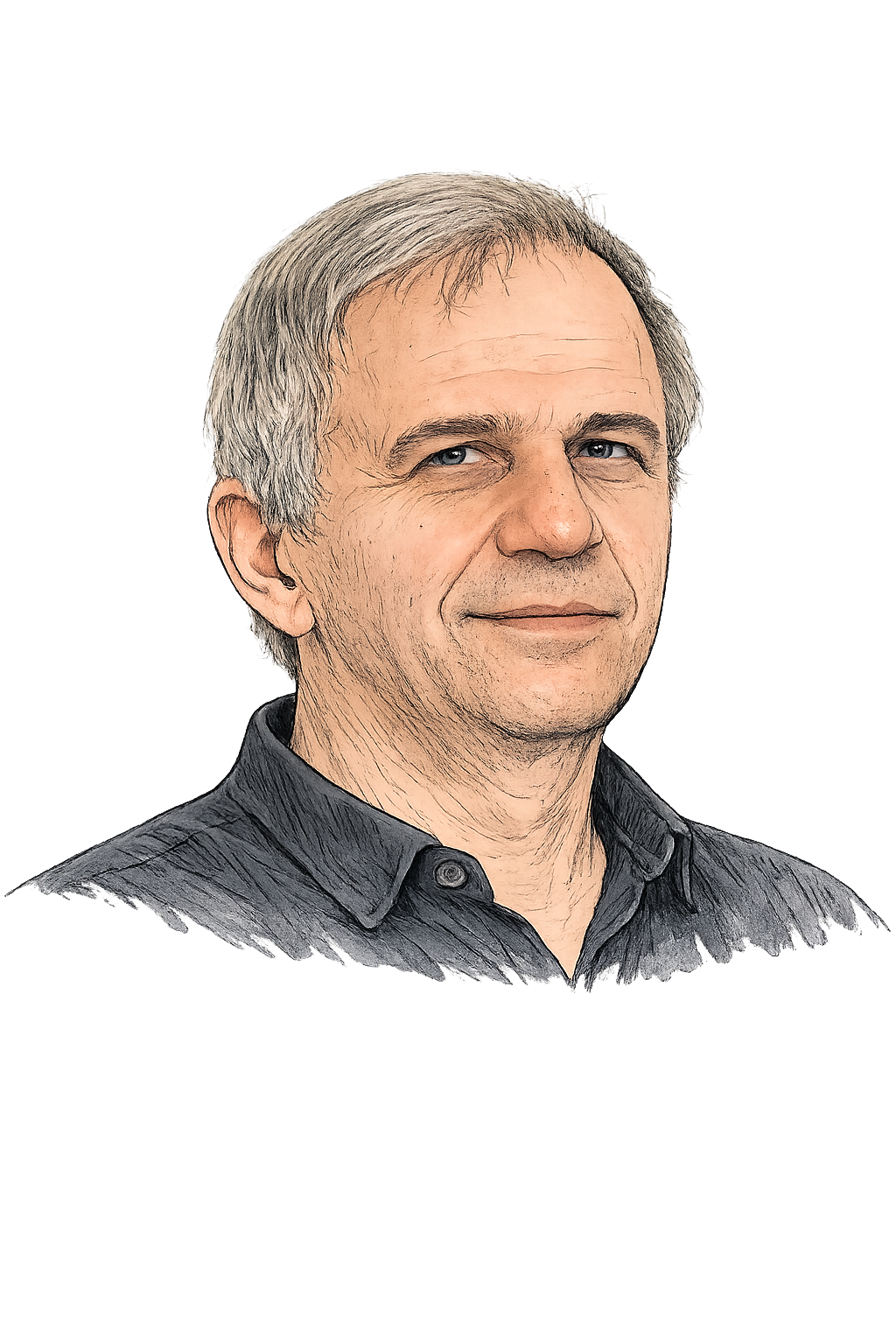
Christian DEBRY
Executive Director of the IHU Strasbourg
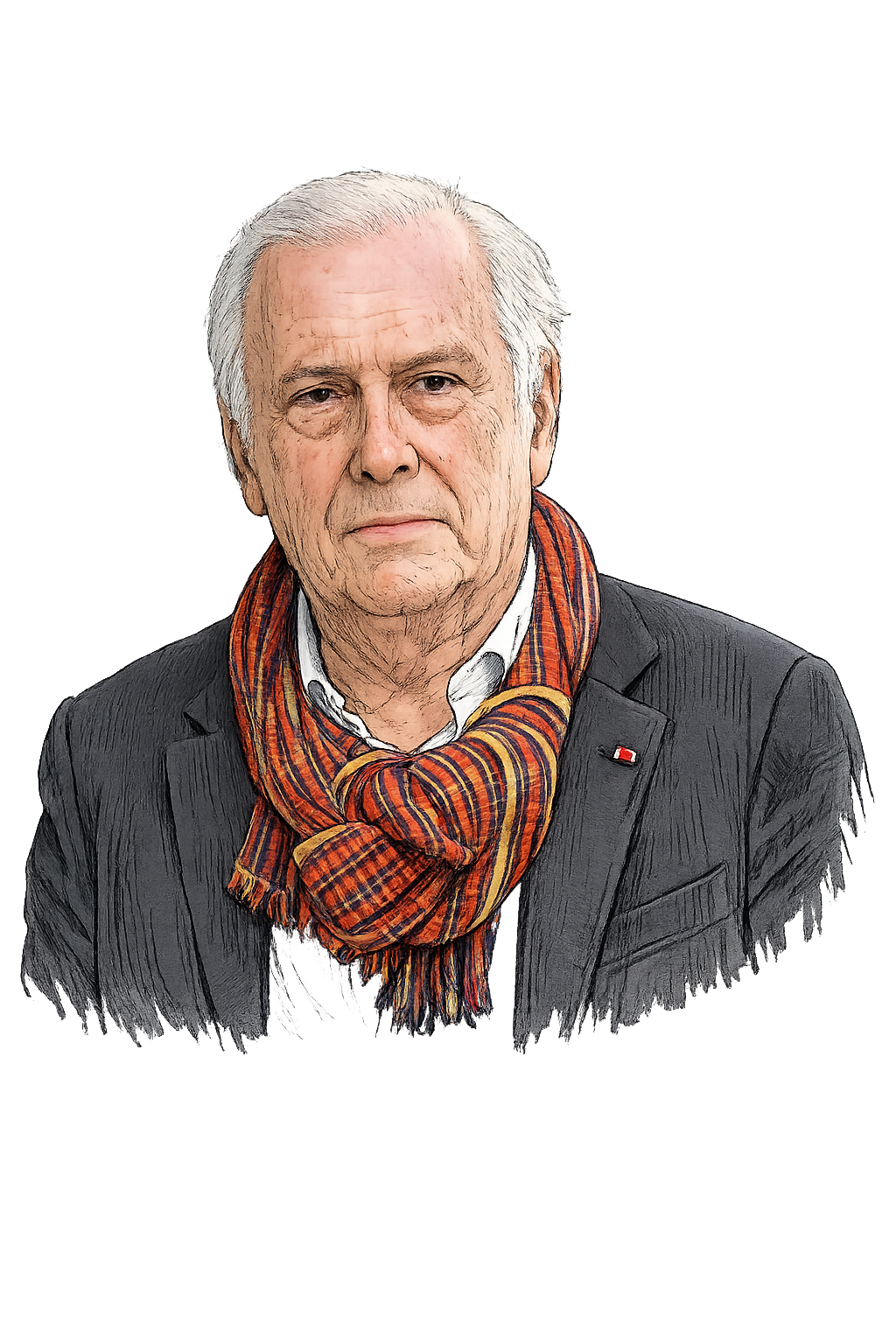
Jean-François DELFRAISSY
Chair of the National Ethics Advisory Committee
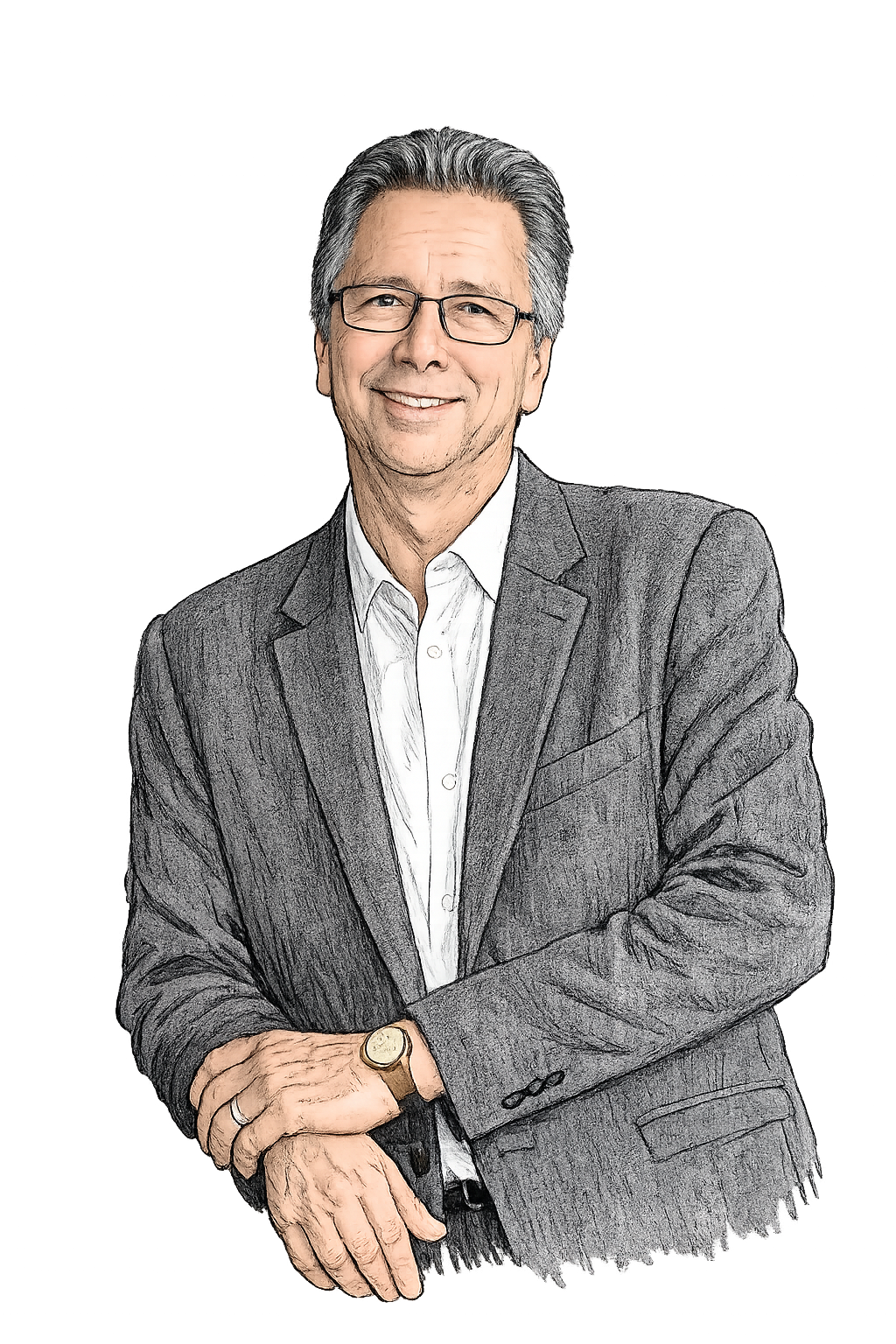
Thomas EBBESEN
Professor of Physical Chemistry at the University of Strasbourg, pioneer in the field of nanoscience
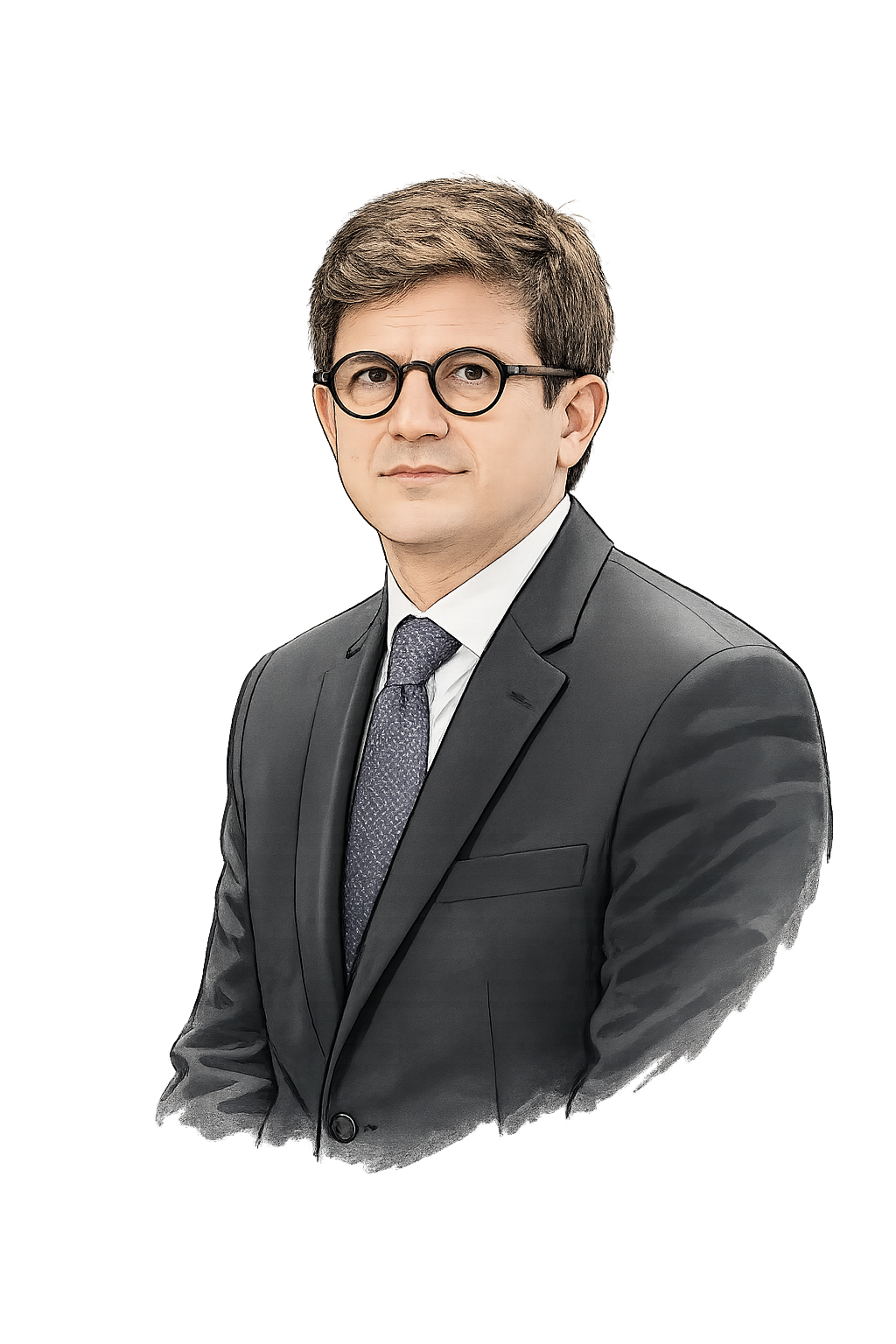
Samir HENNI
Chief Executive Officer of the Strasbourg University Hospitals
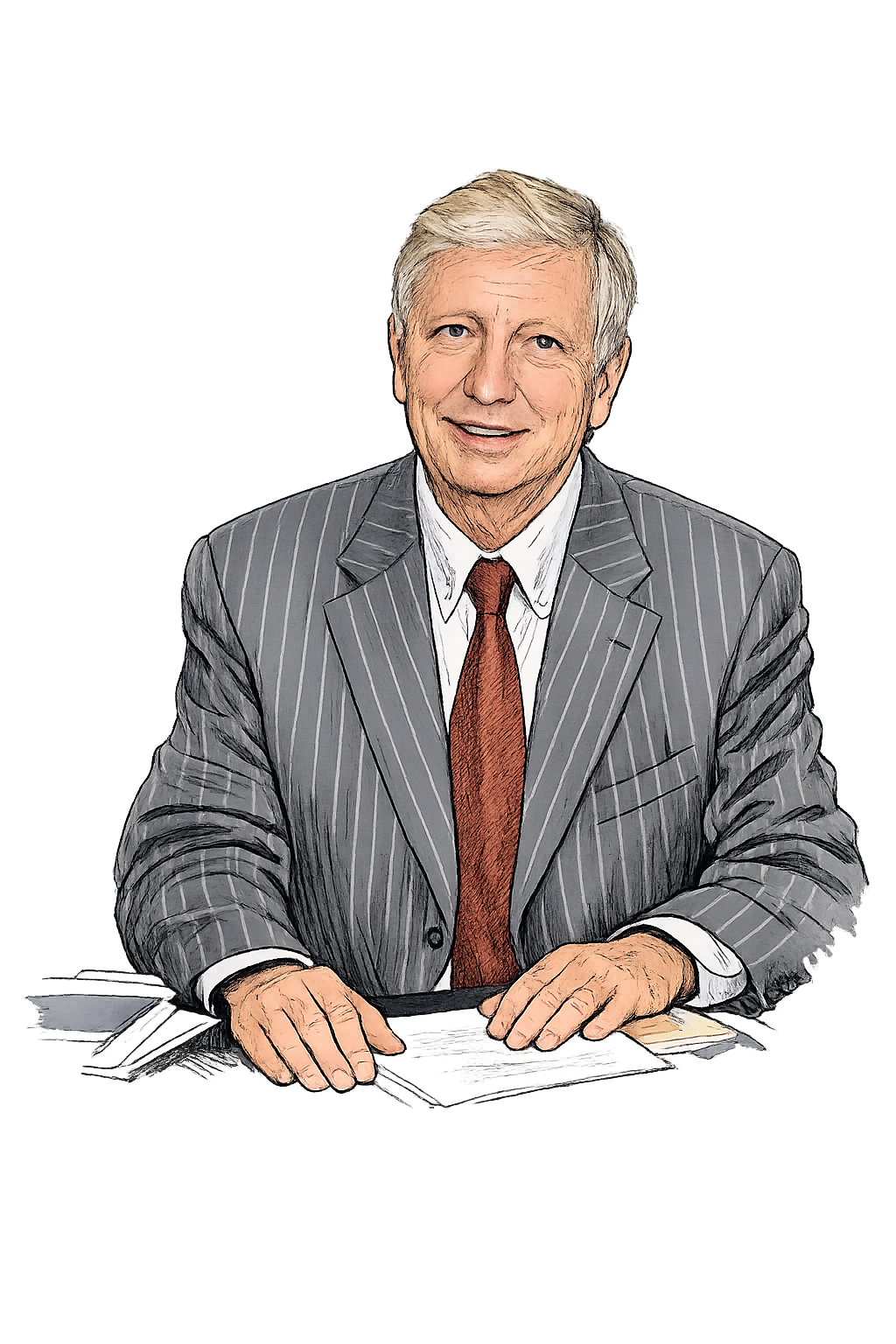
Jules HOFFMANN
Professor at the University of Strasbourg, Director Emeritus at the CNRS, Nobel Laureate in Medicine and Physiology
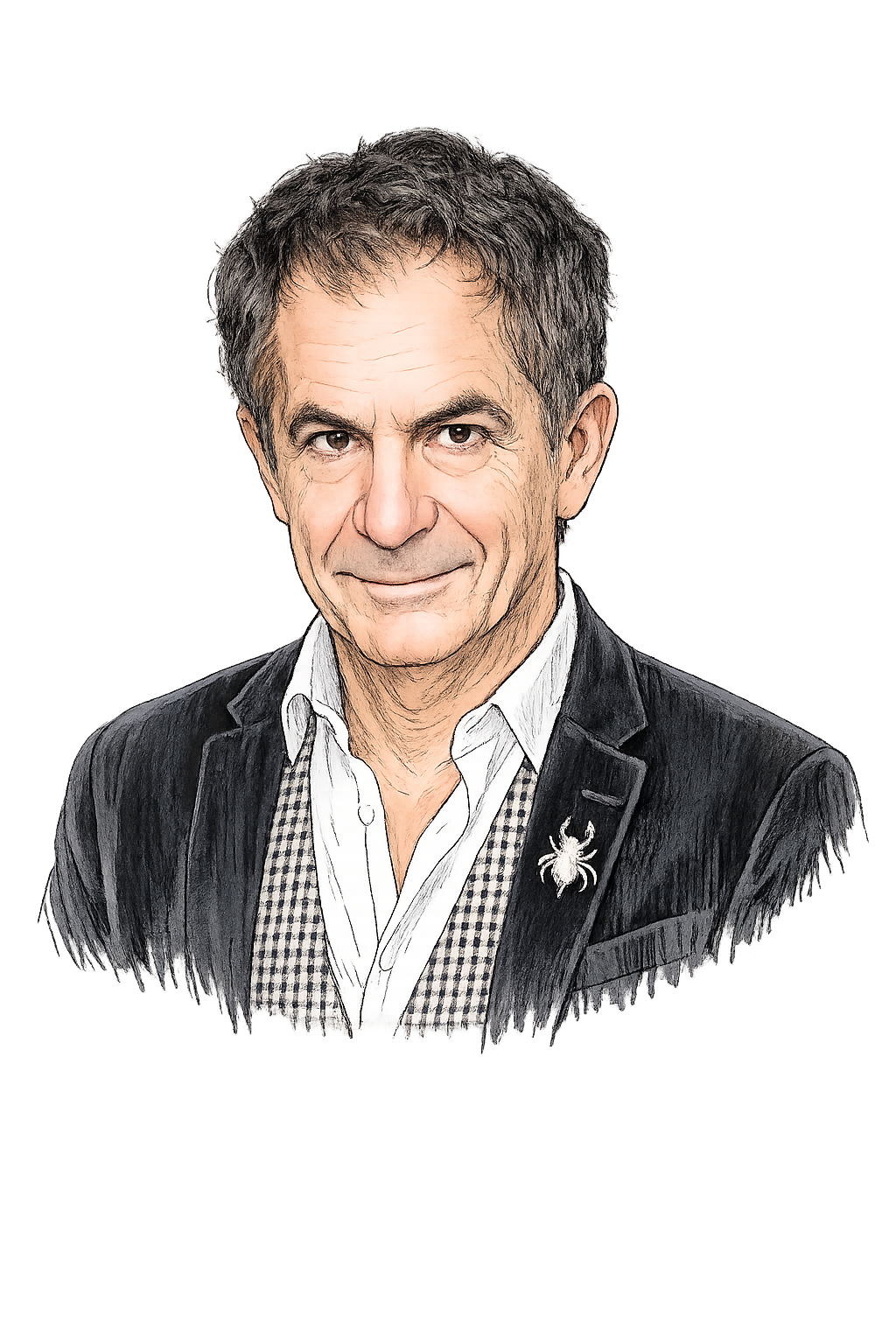
Étienne KLEIN
Physicist, Research Director at the CEA, and philosopher of science
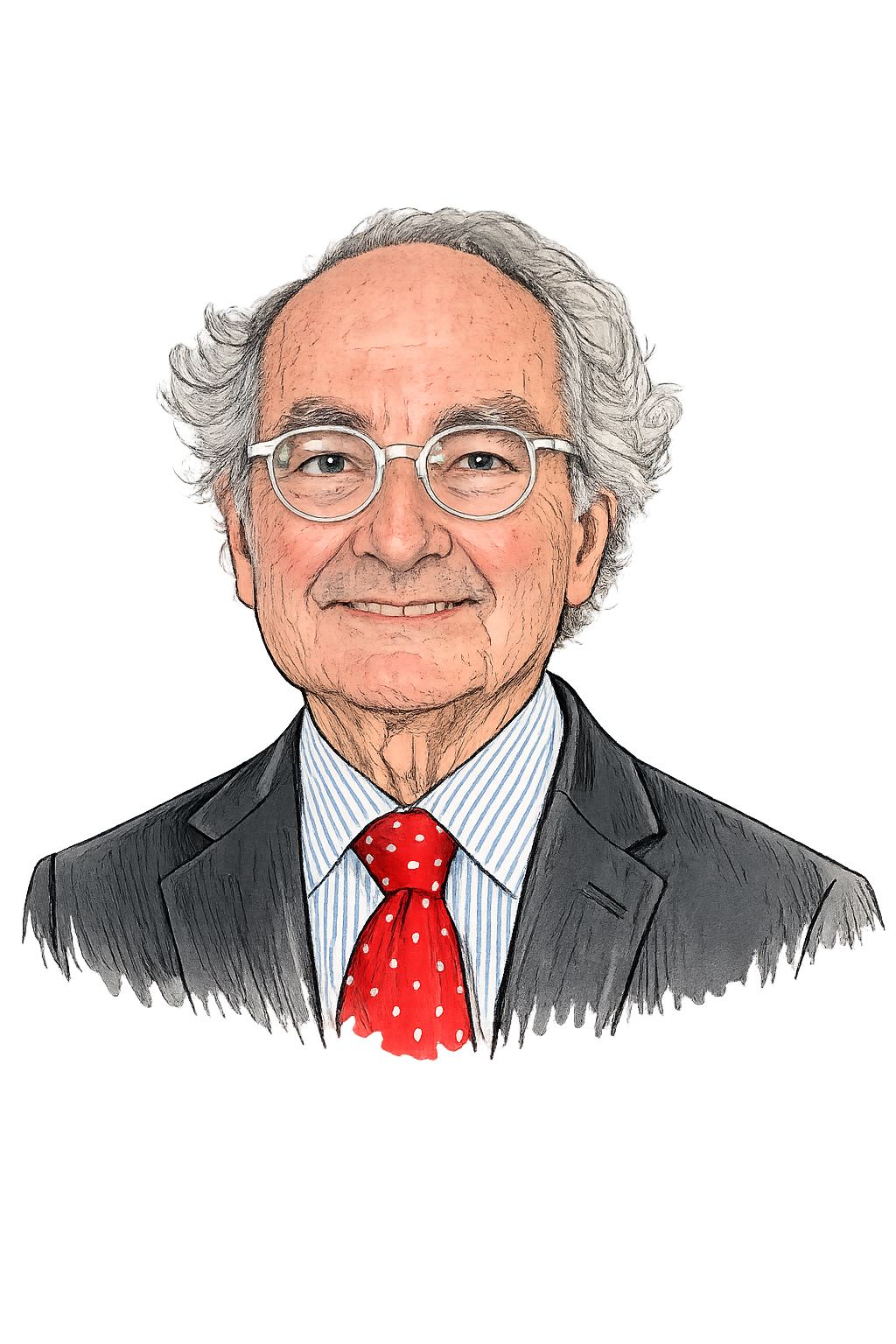
Francis MICHOT
President of the Academy of Medicine (2026)
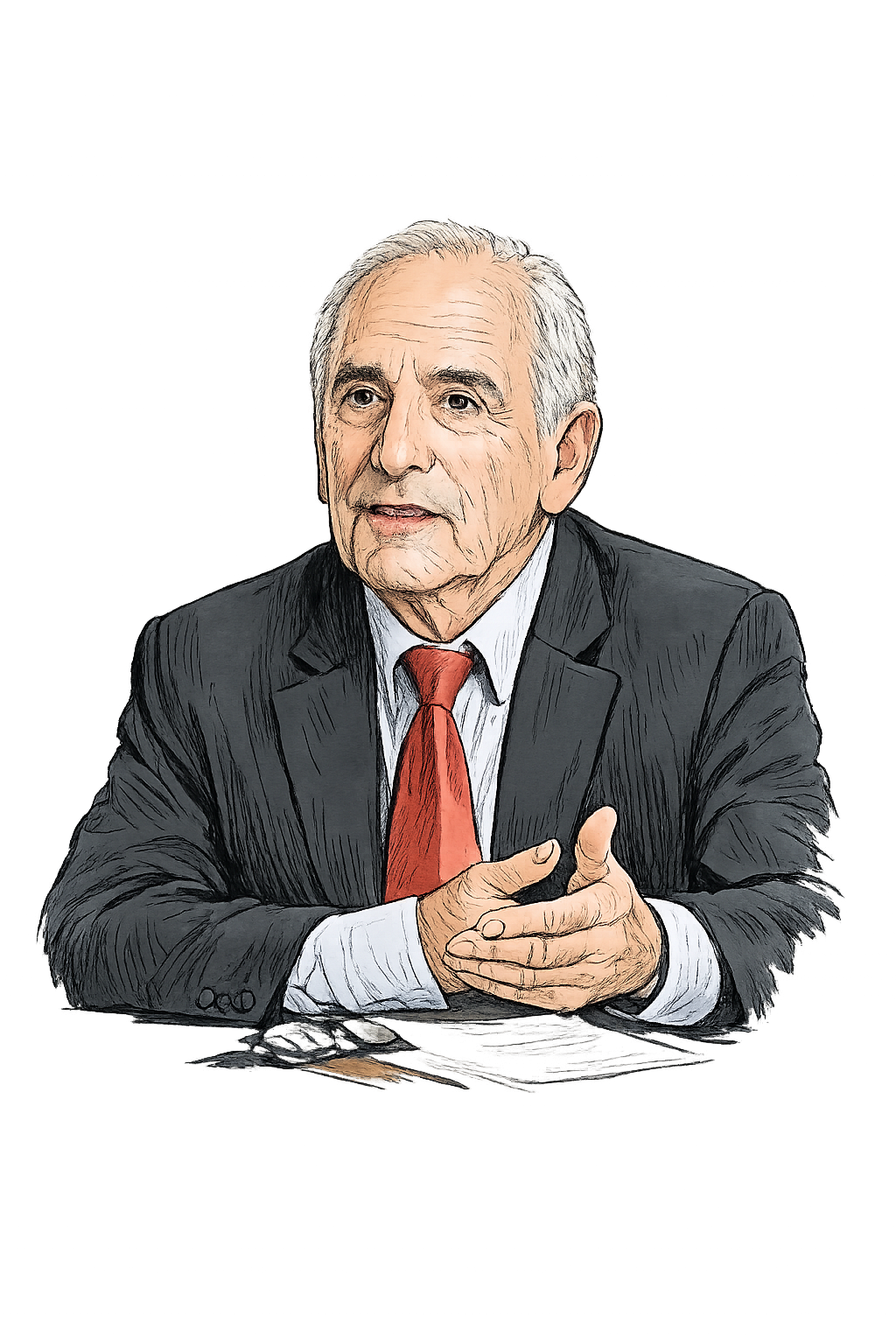
Bernard NORDLINGER
Member of the National Academy of Medicine, Surgical Oncologist, Specialist in Gastrointestinal Cancers
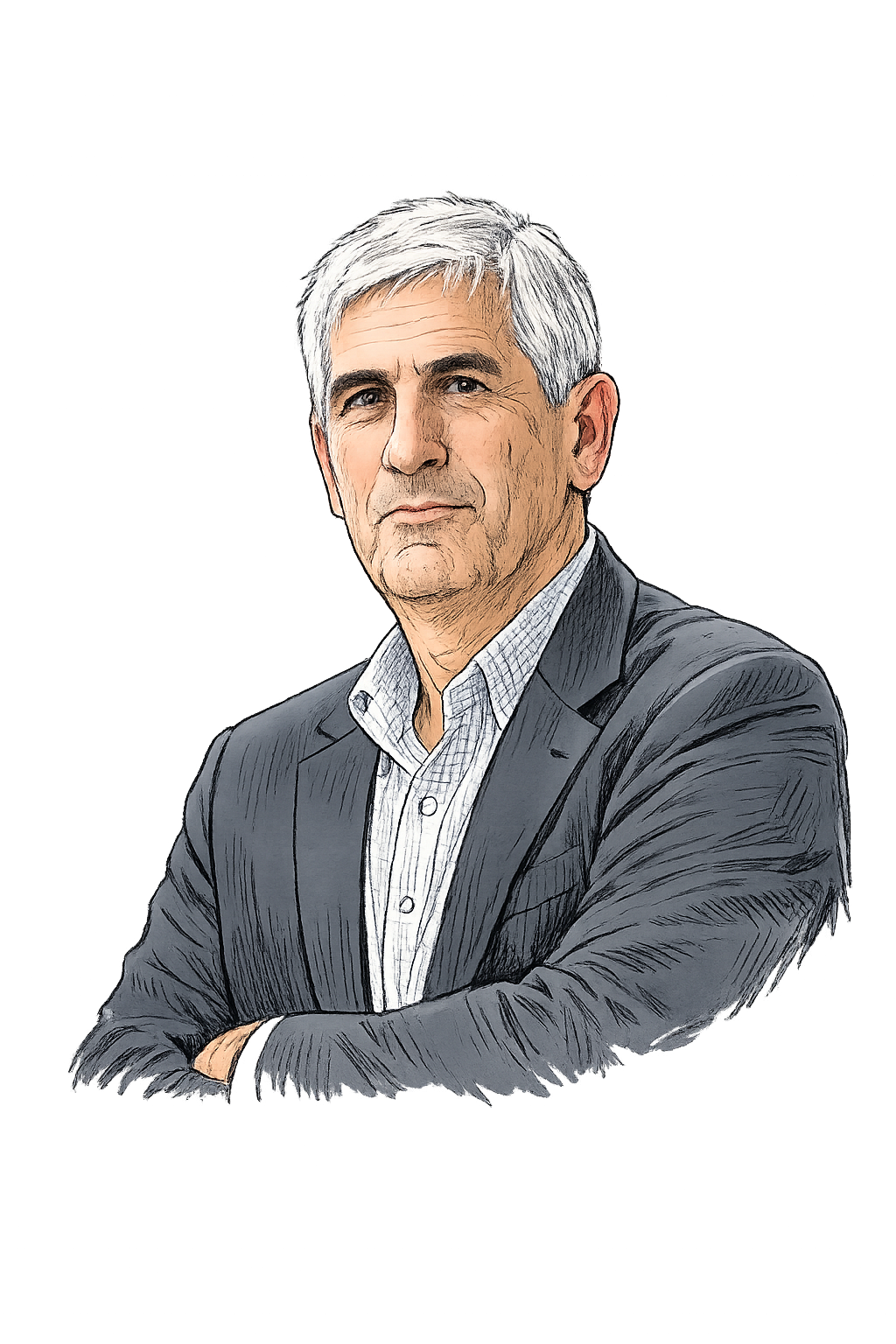
Philippe RAVAUD
Member of the National Academy of Medicine, Surgical Oncologist, Specialist in Gastrointestinal Cancers
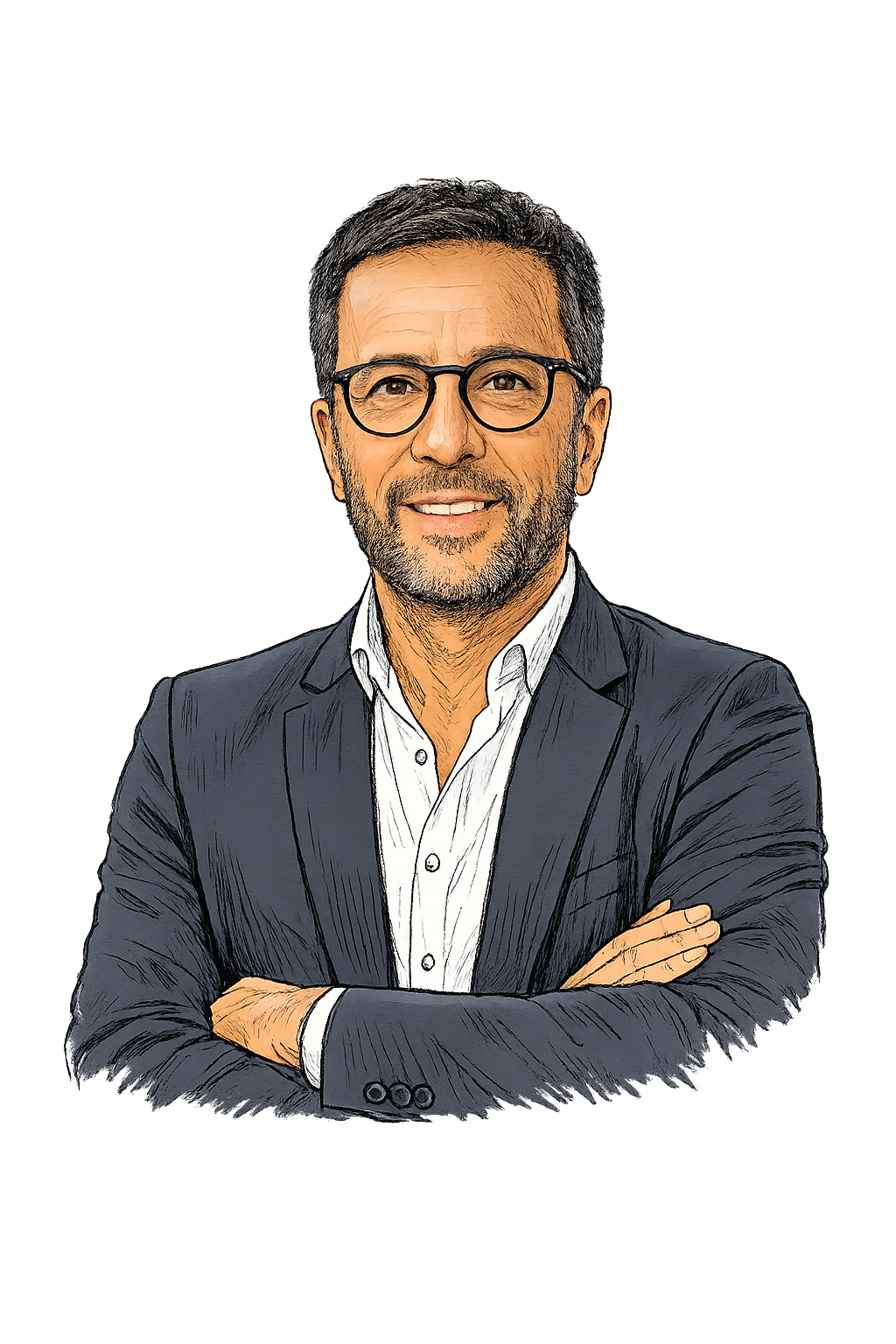
Jean Sibilia
President (Dean of the Strasbourg School of Medicine)
 Download the complete program in PDF format in French
Access
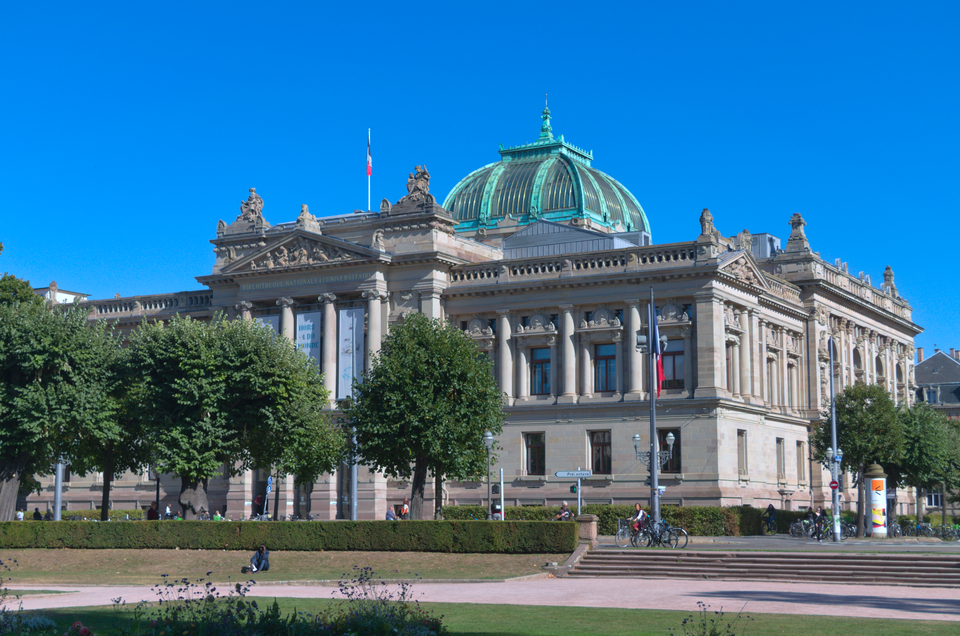
Strasbourg National and University Library
6, Place de la République 67070 Strasbourg Cedex
03 88 25 28 00 (switchboard available during library opening hours)
Access for people with limited mobility:
– Reserved parking spaces (Préfecture parking lot, Avenue Schoelcher, Rue du Maréchal Joffre, and Rue du Général Gouraud)
– Library entrance to the left of the steps
République stop: Tram B, C, E, F | Bus L6, 15, 72
Bicycle racks on the Bnu forecourt
Partners

