The IHU Strasbourg, a center of excellence and innovation in training in interventional endoscopy techniques

The IHU Strasbourg, a center of excellence and innovation in training in interventional endoscopy techniques

A Week of Excellence in Interventional Endoscopy at the IHU Strasbourg

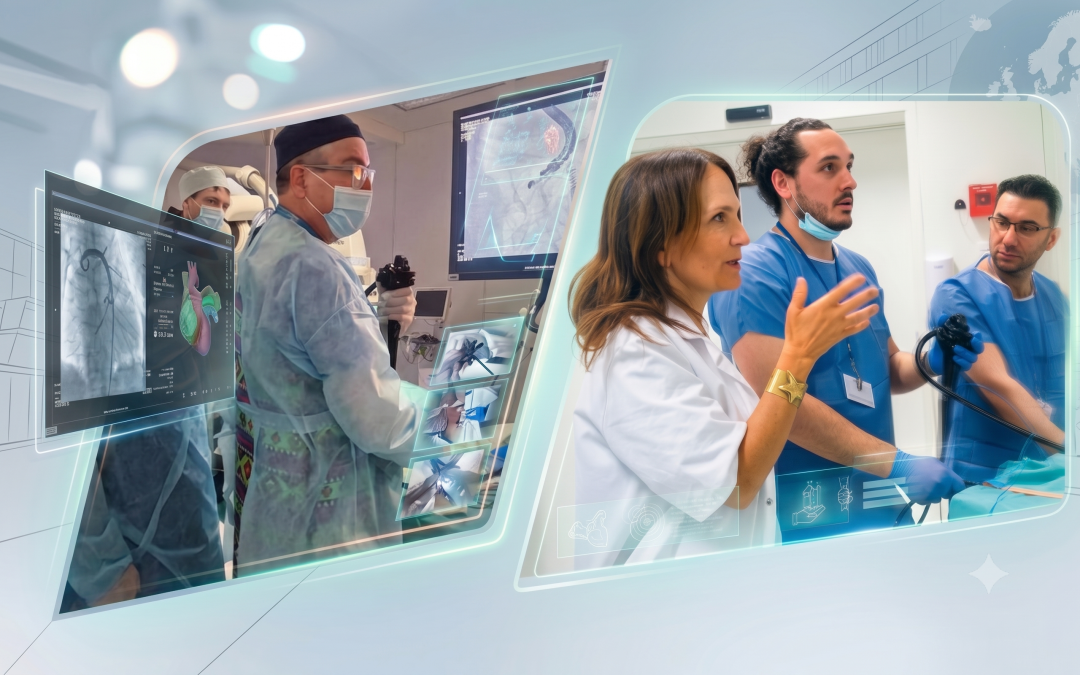
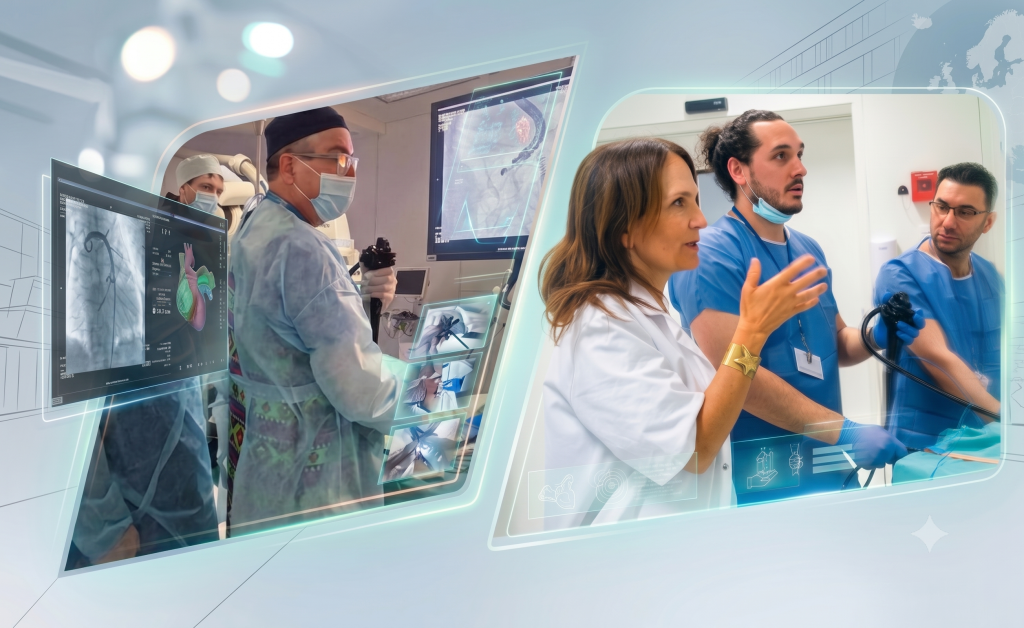
From June 1 to 5, the IHU Strasbourg served as an international hub for training in advanced interventional endoscopy, bringing together 49 participants from 18 different countries. Between the practical sessions of the Master’s 2 program in surgical endoscopy and the 22nd edition of the International Therapeutic Endoscopic Ultrasound (EUS) course—a must for specialists—this week once again demonstrated the IHU Strasbourg’s expertise in high-level training for cutting-edge, minimally invasive, and image-guided interventional techniques.
A hub of excellence and innovation in training for interventional endoscopy techniques

Master’s Degree in Surgical Endoscopy: From Theory to Practice

The week began on June 1 and 2 with the practical modules of the Master’s program.

Designed, created, and directed by Prof. Silvana Perretta, this program of excellence prepares tomorrow’s specialists in the latest surgical endoscopy techniques. Spread across our experimental platform, participants were able to hone their skills through two tracks:

  • Dissection Option: intensive training focused on advanced resection techniques (ESD, POEM, POP).
  • ERCP and EUS Option: rigorous training focused on the fundamentals of echoendoscopy, ERCP, and the manipulation of luminal apposition stents (LAMS).

Some participants then continued their training from June 3 to 5 as privileged observers of the ITEC course.
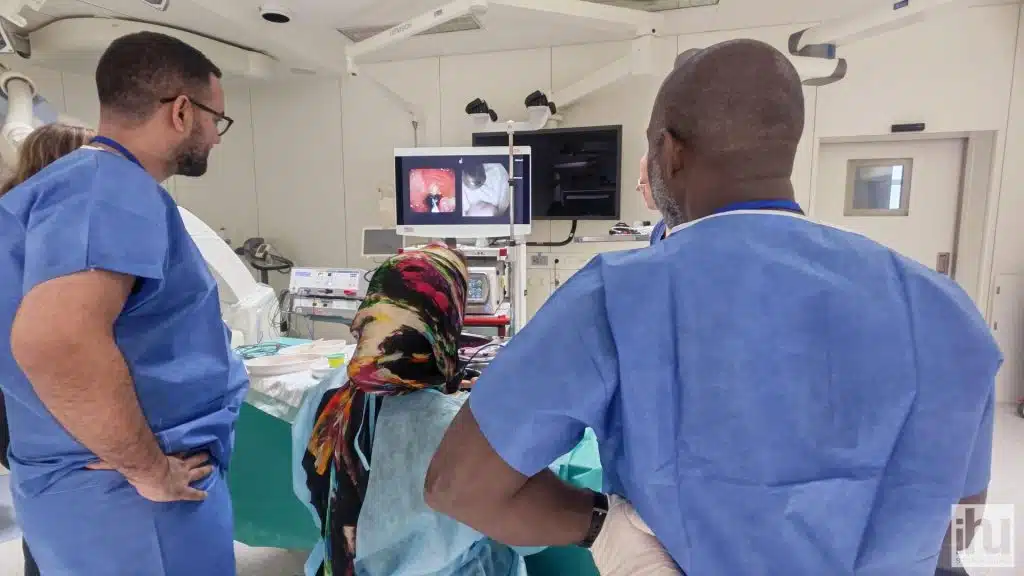
From theory to practice

ITEC 2026: The Global Standard in Therapeutic Endoscopic Ultrasound

From June 3 to 5, the 22nd edition of the ITEC International Course took center stage, establishing itself as the premier event in therapeutic endoscopic ultrasound. Under the direction of Dr. Leonardo Sosa Valencia, this high-level program brought together a prestigious panel of international experts from Canada, Italy, India, and the United Kingdom.

On the IHU’s unique imaging platform, participants received over 7 hours of hands-on training on proprietary high-fidelity models simulating all pathologies encountered in clinical practice.

  • Drainage of the gallbladder and bile ducts under echoendoscopy,
  • Radiofrequency ablation of lesions,
  • Performing gastrojejunal anastomoses,
  • Tissue acquisition by fine needle biopsy (FNB).
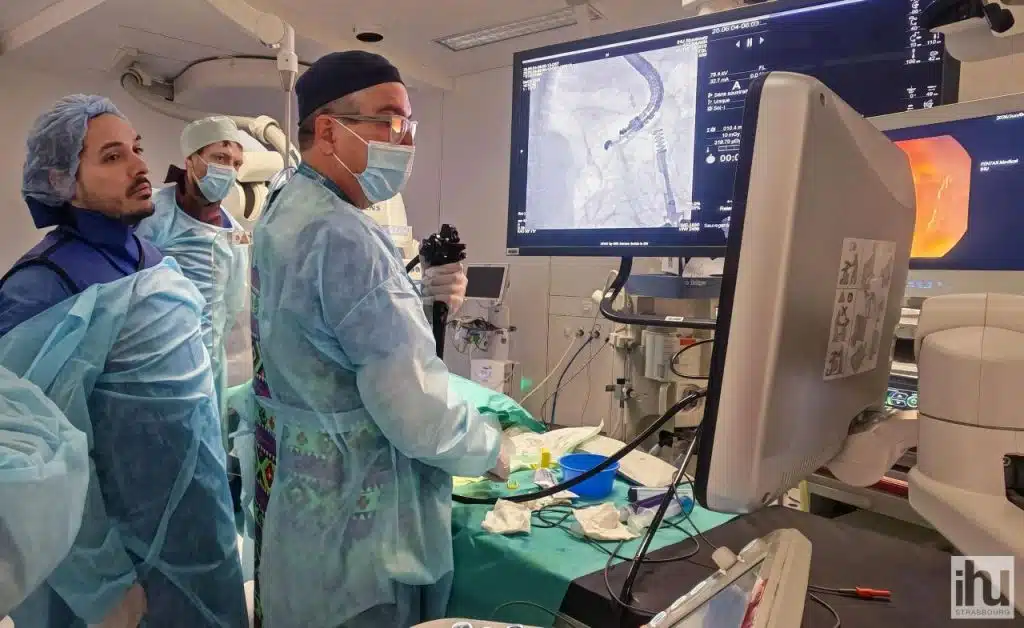
ITEC 2026: The Global Standard in Therapeutic Echoendoscopy

Join our upcoming training Courses!

The IHU Strasbourg offers an exceptional setting for specialists who wish to hone their skills in the most innovative interventional techniques. Space is limited to ensure personalized instruction from the world’s leading experts.

To apply for the Master’s in Surgical Endoscopy (academic year 2026–2027) and transform your practice:
Visit the EVE Evolving Education website

To apply and reserve your spot for upcoming editions of the ITEC course:
Learn more and register for the ITEC course
MediTwin 2026 Symposium: Advances in Virtual Twins for the Medical Practice of Tomorrow

MediTwin 2026 Symposium: Advances in Virtual Twins for the Medical Practice of Tomorrow

The Medicine of Tomorrow: The MediTwin Consortium Reviews Progress on Virtual Twins at Its Scientific Symposium

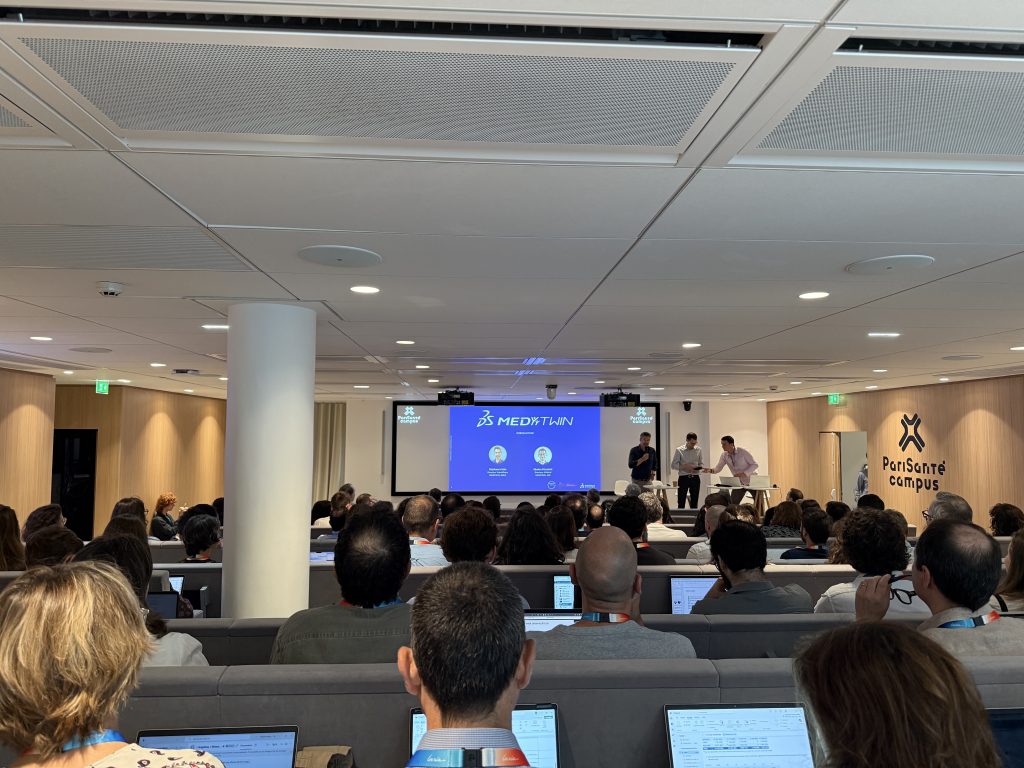
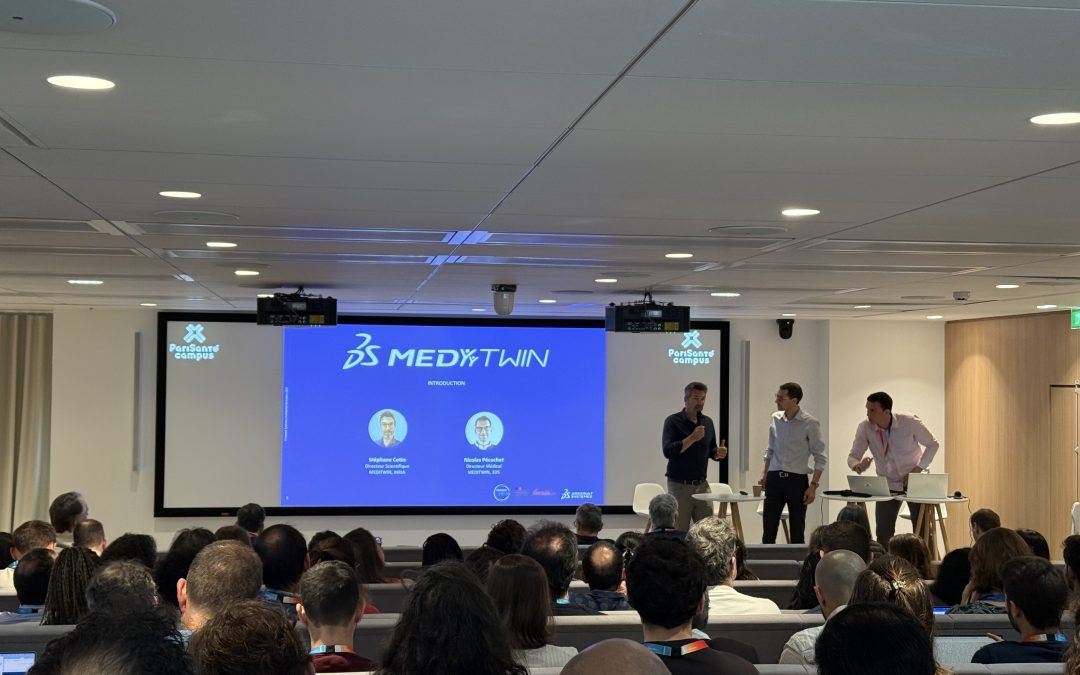
On June 3, PariSanté Campus hosted the symposium for the MediTwin project led by Dassault Systèmes to create virtual twins for the medicine of tomorrow. This event provided an opportunity for the consortium’s partners to present concrete progress in the translational and technological research being conducted.

The MediTwin consortium provides an update on the progress of virtual twins

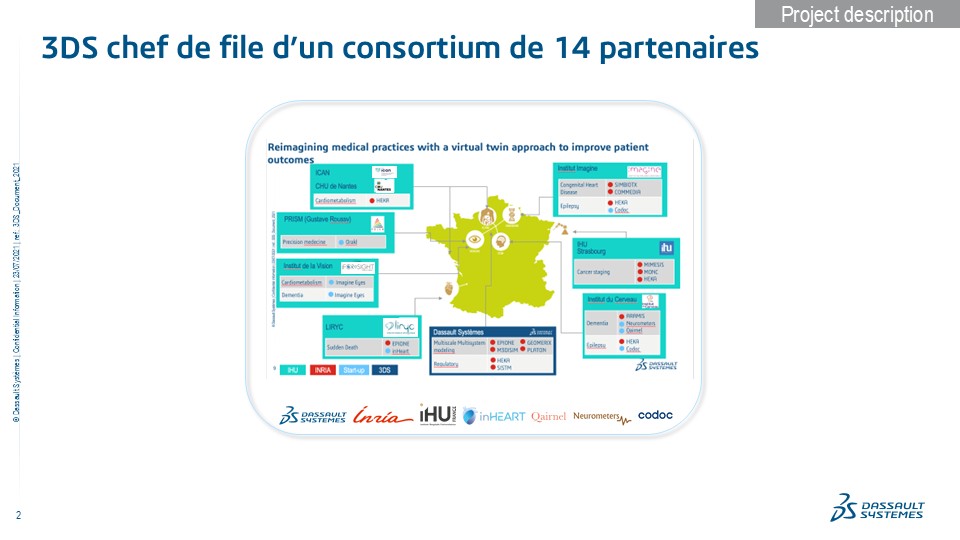
The MediTwin Project

Launched with the ambition of revolutionizing medical practice, MediTwin develops personalized virtual twins for patients. These virtual replicas of organs or medical conditions make it possible to simulate treatments, predict disease progression, and ensure the safety of surgical or therapeutic procedures even before they are performed in a clinical setting.

Developed over five years (from 2024 to 2029), this large-scale initiative receives financial support from France 2030, affirming the national commitment to positioning the country as a leader in digital health.

A Consortium of Excellence

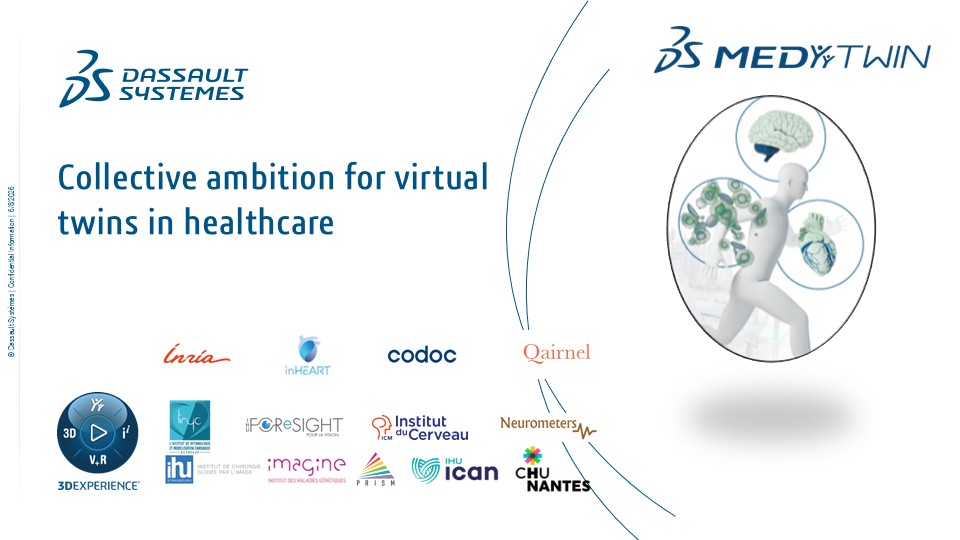
MediTwin’s strength lies in its multidisciplinary approach, bringing together a global industry leader—Dassault Systèmes—innovative startups—inHEART, Qairn, UsefulProgress, PredictMedical, and Codoc—a leading research institute—Inria— seven university hospitals: Foresight, ICAN, Imagine, Institut du Cerveau, Liryc, PRISM, and Strasbourg, and the Nantes University Hospital.

MediTwin: A Consortium of Excellence

A rich and collaborative program

The symposium began with a morning of plenary lectures focused on the project’s clinical applications in prevention and care within cardiology, oncology, and neurology.

MediTwin: A comprehensive and collaborative program

The afternoon was devoted to technical workshops and collaborative working groups. Researchers and clinicians were able to discuss image segmentation, multi-fidelity simulation, data assimilation, and the integration of artificial intelligence and numerical simulation. A poster session and presentations of Inria’s cutting-edge SOFA and Fed-BioMed software platforms rounded out this day of scientific exchange.

By bringing together government resources, the agility of startups, the rigor of academic research, and the expertise of clinicians, MediTwin is steadily fulfilling its promise: to deliver more predictive, personalized, and safe medicine for the direct benefit of patients.

Learn more about the MediTwin project:
www.3ds.com/fr/science/meditwin

Or Norme Behind the Scenes of an “extra ordinary” institute

Or Norme Behind the Scenes of an “extra ordinary” institute

Or Norme Behind the Scenes of an “extra ordinary” institute

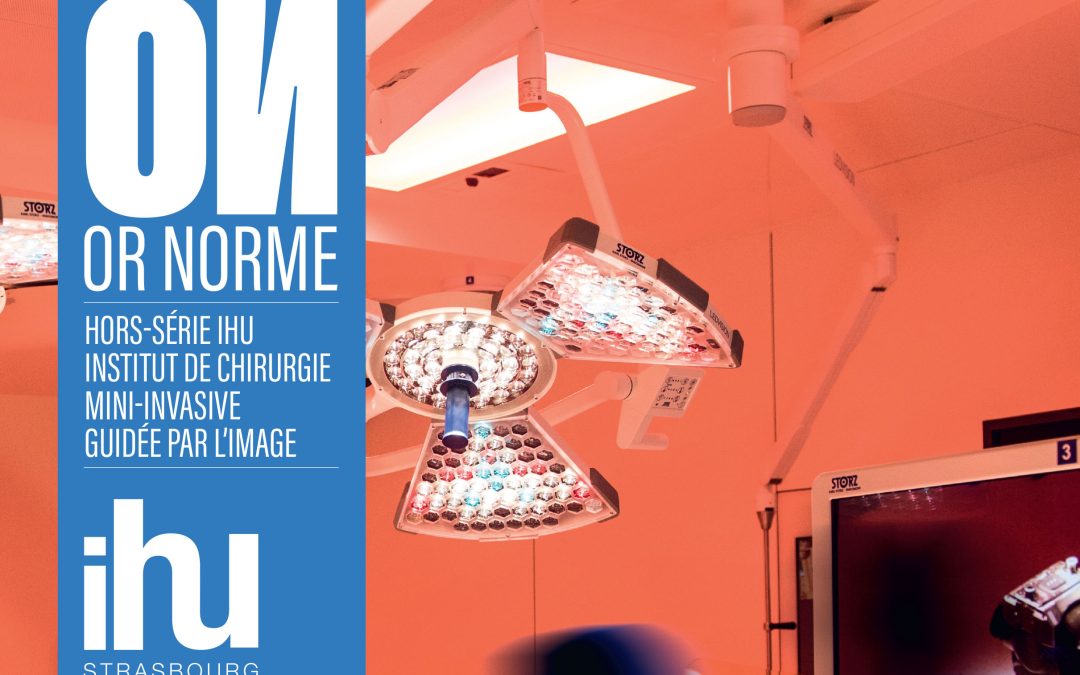
Augmented surgery, research, innovation, training, startups, ethics and environmental issues: IHU Strasbourg is featured in a special issue of Or Norme magazine. Through 100 pages of interviews, in-depth analyses, and photographs, discover from a fresh perspective a dedicated team and a unique ecosystem where clinicians, researchers, engineers, industry professionals, and entrepreneurs combine their expertise to accelerate surgical innovation.

You can also view the full-page special issue of Or Norme magazine dedicated to the IHU Strasbourg.
Only in french.

 
Pancreatic Cancer: A study by the IHU Strasbourg shows how AI helps specialists detect small pancreatic lesions

Pancreatic Cancer: A study by the IHU Strasbourg shows how AI helps specialists detect small pancreatic lesions

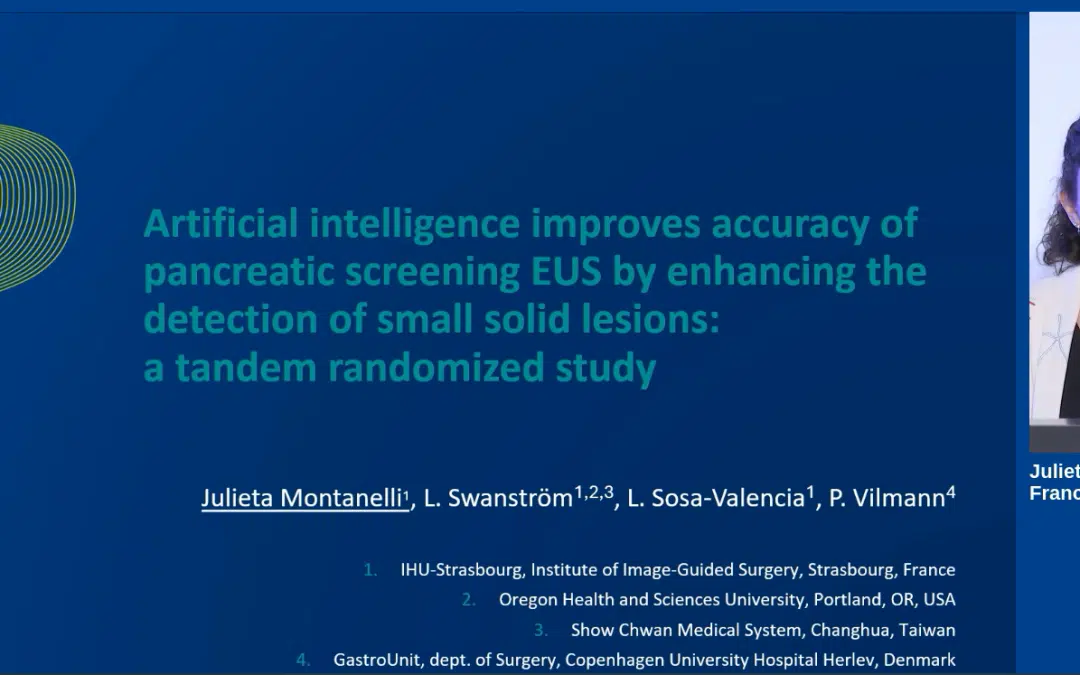
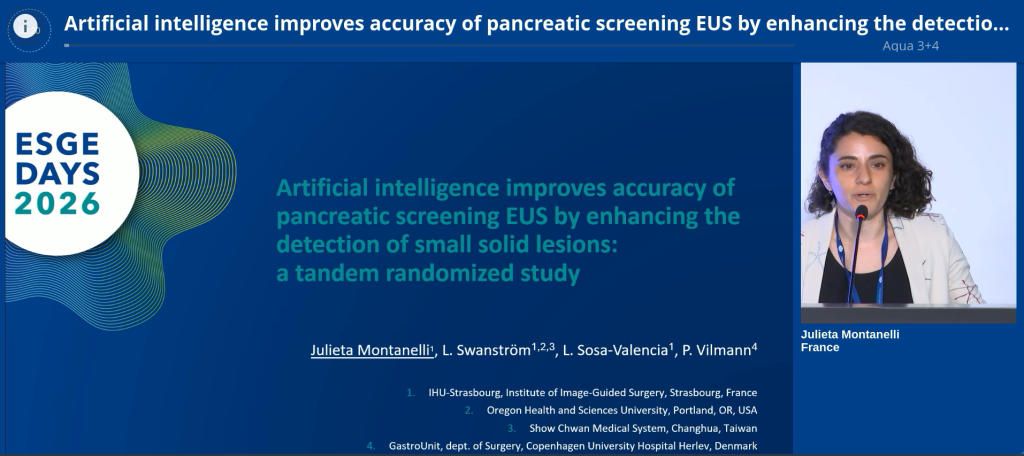
From May 14 to 16, the city of Milan hosted ESGE Days 2026, one of the most influential European conferences on gastrointestinal endoscopy. At the event, Dr. Julieta Montanelli, a gastroenterologist and researcher at IHU Strasbourg, presented the promising findings of a study that could help improve the detection of small pancreatic lesions during endoscopic ultrasound (EUS) examinations.

𝘈𝘳𝘵𝘪𝘧𝘪𝘤𝘪𝘢𝘭 𝘪𝘯𝘵𝘦𝘭𝘭𝘪𝘨𝘦𝘯𝘤𝘦 𝘪𝘮𝘱𝘳𝘰𝘷𝘦𝘴 𝘢𝘤𝘤𝘶𝘳𝘢𝘤𝘺 𝘰𝘧 𝘱𝘢𝘯𝘤𝘳𝘦𝘢𝘵𝘪𝘤 𝘴𝘤𝘳𝘦𝘦𝘯𝘪𝘯𝘨 𝘌𝘜𝘚 𝘣𝘺 𝘦𝘯𝘩𝘢𝘯𝘤𝘪𝘯𝘨 𝘵𝘩𝘦 𝘥𝘦𝘵𝘦𝘤𝘵𝘪𝘰𝘯 𝘰𝘧 𝘴𝘮𝘢𝘭𝘭 𝘴𝘰𝘭𝘪𝘥 𝘭𝘦𝘴𝘪𝘰𝘯𝘴: 𝘢 𝘵𝘢𝘯𝘥𝘦𝘮 𝘳𝘢𝘯𝘥𝘰𝘮𝘪𝘻𝘦𝘥 𝘷𝘪𝘥𝘦𝘰 𝘴𝘵𝘶𝘥𝘺

The Challenge of Small Pancreatic Lesions

One of the biggest challenges in EUS is that the most critical abnormalities to detect are often the hardest to see. Small lesions—those measuring less than 20 mm—are particularly subtle. They may appear on the doctor’s screen for only a fraction of a second during the exam, increasing the risk that they will go unnoticed.

To address this issue, the IHU Strasbourg evaluated the impact of an innovative medical device based on artificial intelligence (AI). This tool, called “mAI Companion ®,” was developed in close collaboration with the companies iGlobe Scientific and Medi-Globe. The research protocol was conducted with a cohort of 32 international endo-sonographers with varying levels of experience.

Remarkable results

The data from this tandem randomized study are particularly telling. The integration of artificial intelligence (AI) improved participants’ diagnostic accuracy from 70.5% to 82.0%. This significant improvement proved particularly valuable for identifying small solid tumors, where human visual vigilance is most often put to the test.

The Augmented Human: A True Team Effort

Beyond technological performance, this study illustrates how medical expertise and artificial intelligence complement each other, with the latter acting as a true “second observer” by helping specialists identify lesions that might otherwise easily go unnoticed.

This international presentation highlights the IHU Strasbourg’s ongoing commitment to addressing medical needs with original and concrete solutions that can be implemented for the direct benefit of patients.

ESGE (European Society of Gastrointestinal Endoscopy): ESGE Days 2026
Link to the study: www.researchgate.net
Learn more about « mAI Companion ® »: www.medi-globe.de

Innovate, experiment, and create with the 15th edition of the B.E.S.T. Innovation Course

Innovate, experiment, and create with the 15th edition of the B.E.S.T. Innovation Course

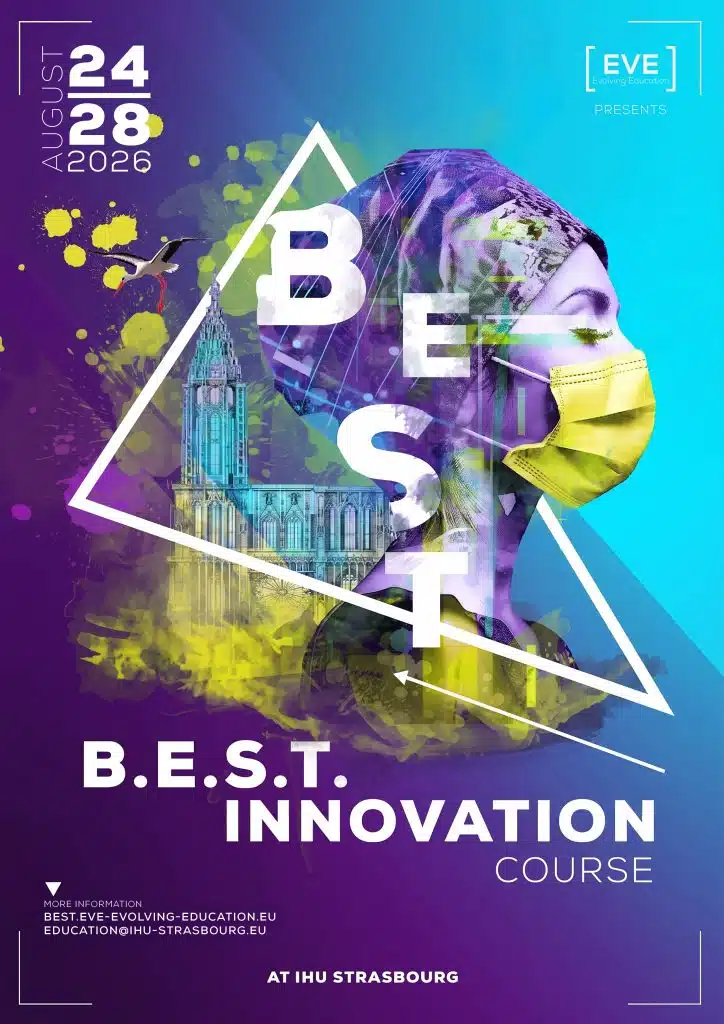
B.E.S.T. Innovation Course 2026: Imagine the Future of MedTech in Strasbourg and Taiwan

Are you a medical student, engineer, designer, or young entrepreneur who dreams of turning a disruptive idea into a high-impact medical device? The B.E.S.T. (Business Engineering and Surgical Technologies) Innovation Course is now accepting applications for its 2026 edition. Initiated and passionately led by Prof. Silvana Perretta, this globally unique program of excellence has established itself as the essential springboard for future leaders in surgical innovation.

This year marks a historic milestone with the 15th Strasbourg edition of B.E.S.T. Innovation Week, to be held at the IHU Strasbourg from August 24 to 28, 2026. To meet international demand, an preliminary session will be held at IRCAD Taiwan from July 20 to 24, 2026.

A Unique Concept: Combining Science, Engineering, and Business

At the heart of the B.E.S.T. philosophy lies the breaking down of disciplinary barriers. During a week of total immersion, participants set aside lengthy theoretical lectures to experience an intensive learning ecosystem based on “learning by doing.

The program combines:

  • A hands-on introduction to minimally invasive surgery and cutting-edge medical-surgical technologies,
  • Design thinking” and engineering workshops to develop viable prototypes,
  • Intensive training in the key principles of business and entrepreneurship, essential for understanding intellectual property, the regulatory framework, and fundraising strategies.

The highlight of the week? An innovation marathon where multidisciplinary teams compete to pitch their MedTech startup projects to a jury of experts and investors.

An Elite International Faculty

To guide students through this human and scientific journey, the course brings together an exceptional panel of clinical experts, renowned engineers, and professionals from the global biomedical industry. The 2026 Faculty will include: Mariel Bolhouse, Vivian De Rujiter, Debbie Keller, Dennis McWilliams, Bruno Mutet, John O’Dea, Ashley Seehusen, Stefano Stramigioli, Elliott Street, Lee Swanstrom, Maria Vannucci, and Natasha Waters.

Laure Krug, a visual artist, will participate in B.E.S.T. for the third consecutive year to guide participants in creating a unique collaborative artistic performance.

B.E.S.T. 2026 - Pre-registration Now Open

How can I participate?

The number of spots for this elite bootcamp is strictly limited to ensure high-quality instruction and small-group work. Don’t miss this opportunity to join this global community of healthcare innovators.

Pre-registration is now open: Access the pre-registration form

For more information on the program and course content: Visit the official B.E.S.T. website