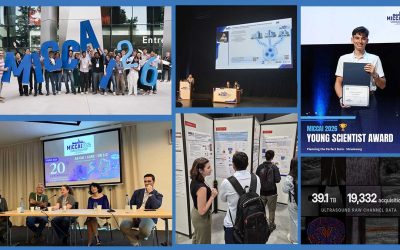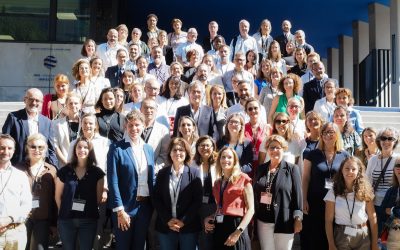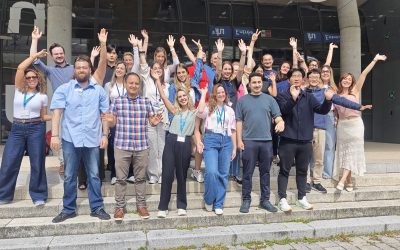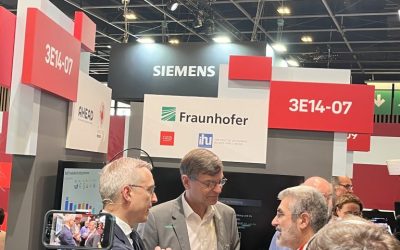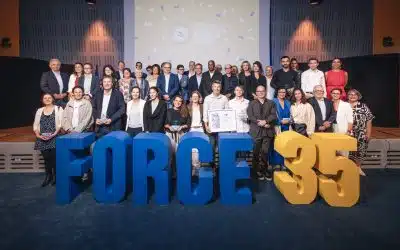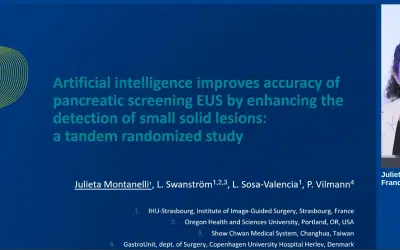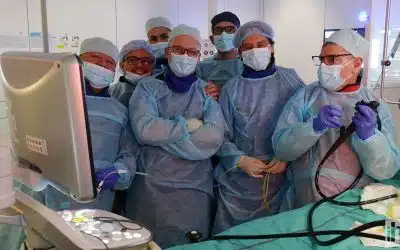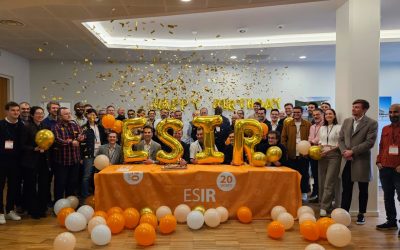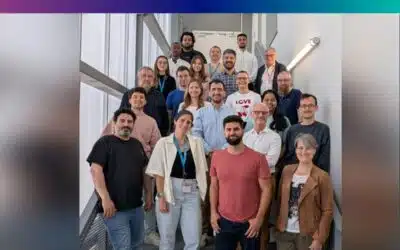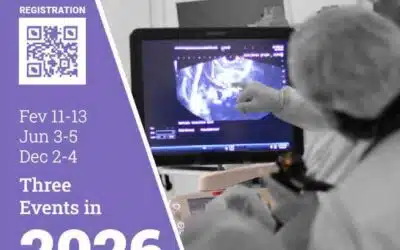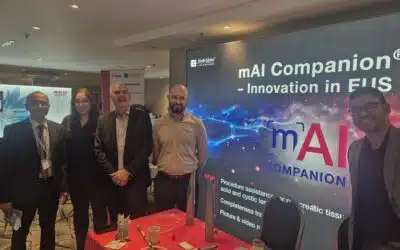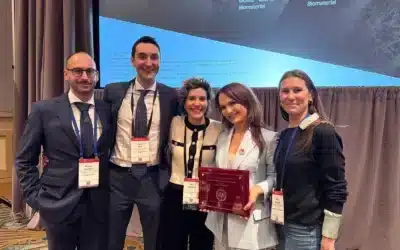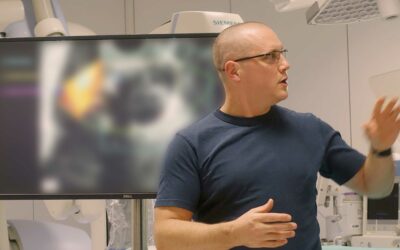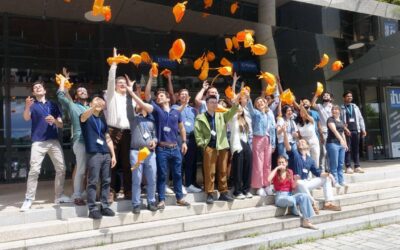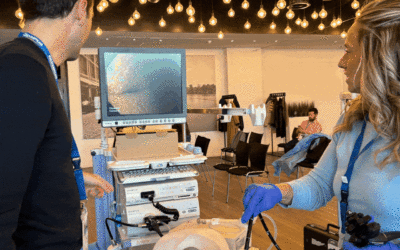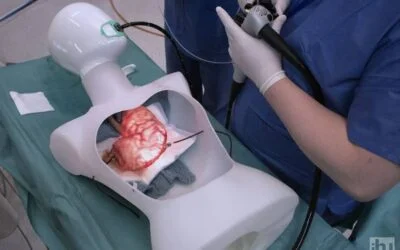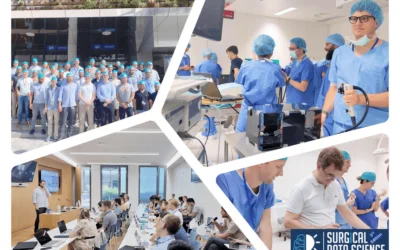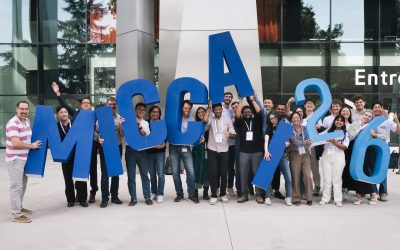
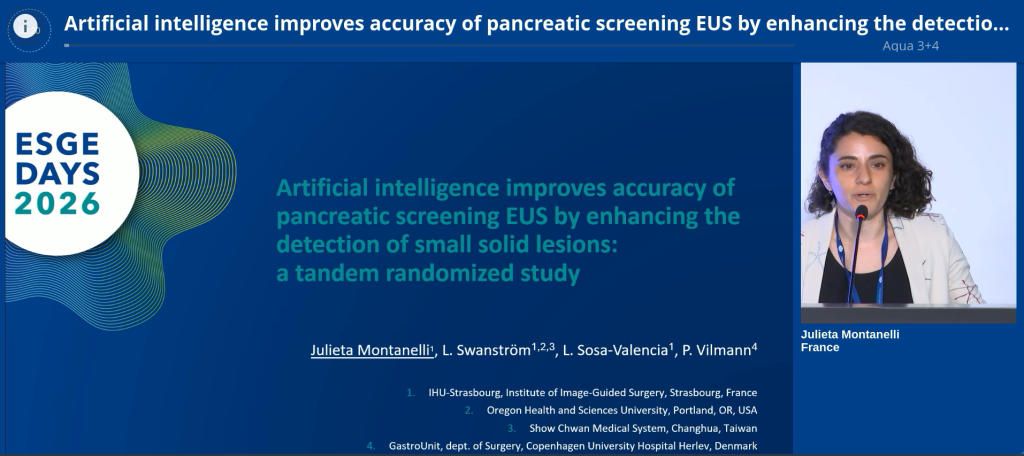
From May 14 to 16, the city of Milan hosted ESGE Days 2026, one of the most influential European conferences on gastrointestinal endoscopy. At the event, Dr. Julieta Montanelli, a gastroenterologist and researcher at IHU Strasbourg, presented the promising findings of a study that could help improve the detection of small pancreatic lesions during endoscopic ultrasound (EUS) examinations.
The Challenge of Small Pancreatic Lesions
One of the biggest challenges in EUS is that the most critical abnormalities to detect are often the hardest to see. Small lesions—those measuring less than 20 mm—are particularly subtle. They may appear on the doctor’s screen for only a fraction of a second during the exam, increasing the risk that they will go unnoticed.
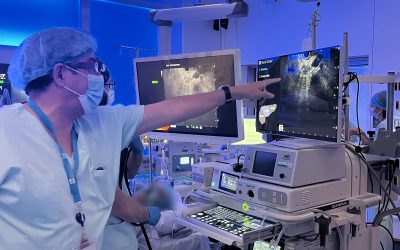
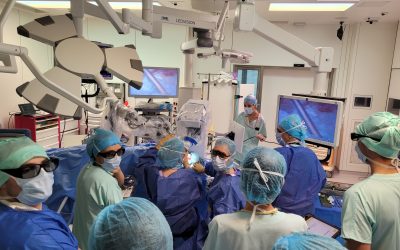
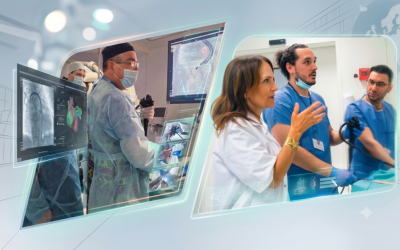
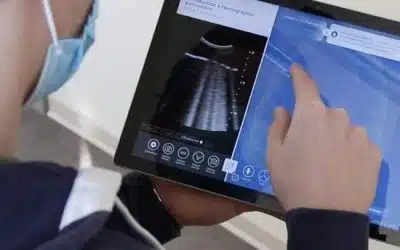
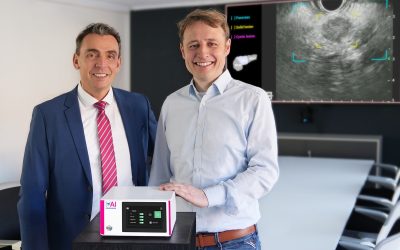
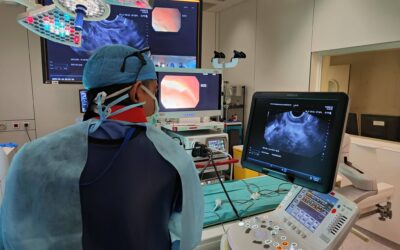
To address this issue, the IHU Strasbourg evaluated the impact of an innovative medical device based on artificial intelligence (AI). This tool, called “mAI Companion ®,” was developed in close collaboration with the companies iGlobe Scientific and Medi-Globe. The research protocol was conducted with a cohort of 32 international endo-sonographers with varying levels of experience.
Remarkable results
The data from this tandem randomized study are particularly telling. The integration of artificial intelligence (AI) improved participants’ diagnostic accuracy from 70.5% to 82.0%. This significant improvement proved particularly valuable for identifying small solid tumors, where human visual vigilance is most often put to the test.
The Augmented Human: A True Team Effort
Beyond technological performance, this study illustrates how medical expertise and artificial intelligence complement each other, with the latter acting as a true “second observer” by helping specialists identify lesions that might otherwise easily go unnoticed.
This international presentation highlights the IHU Strasbourg’s ongoing commitment to addressing medical needs with original and concrete solutions that can be implemented for the direct benefit of patients.
ESGE (European Society of Gastrointestinal Endoscopy): ESGE Days 2026
Link to the study: www.researchgate.net
Learn more about « mAI Companion ® »: www.medi-globe.de