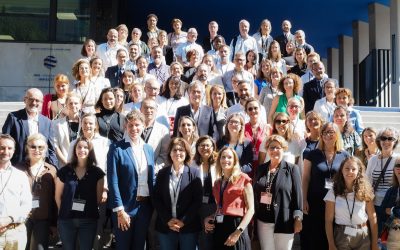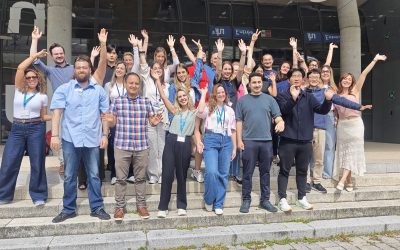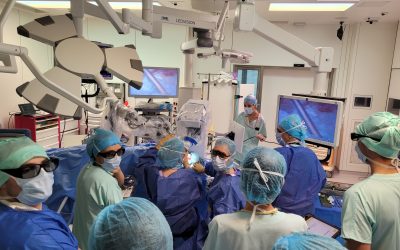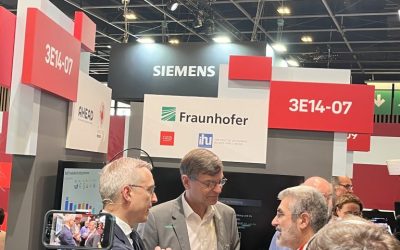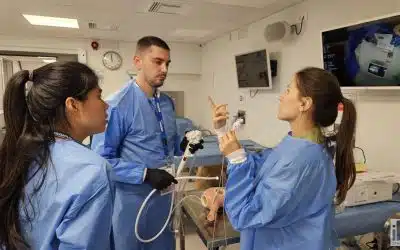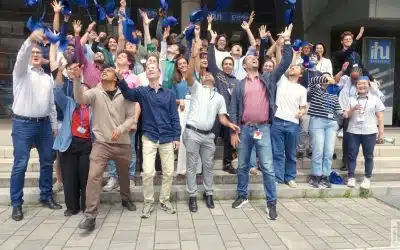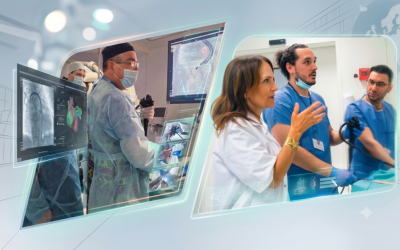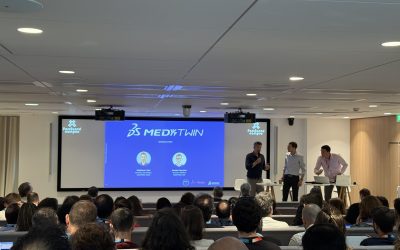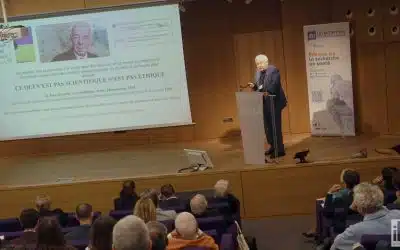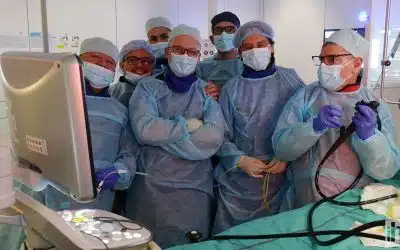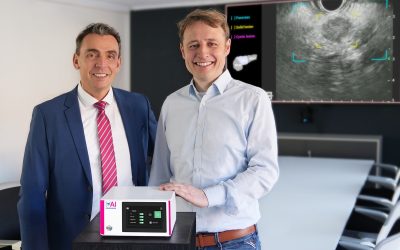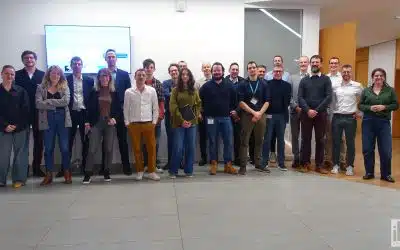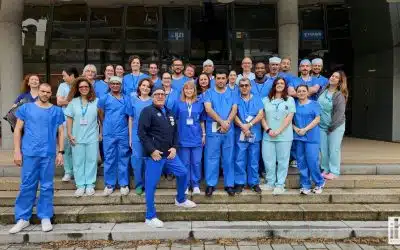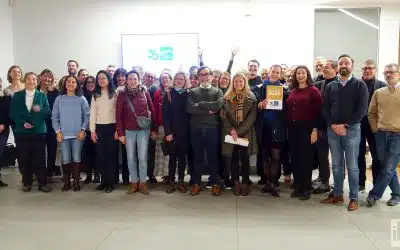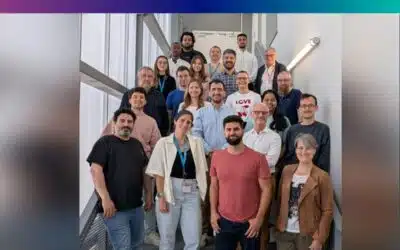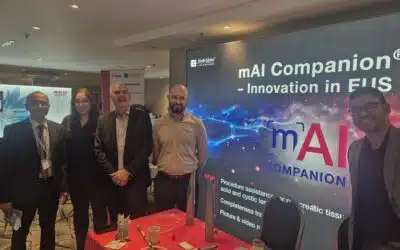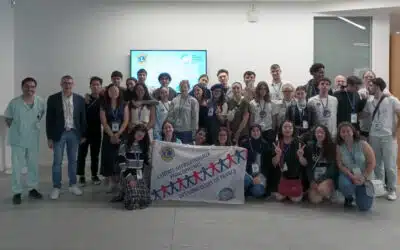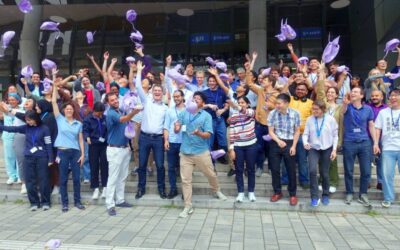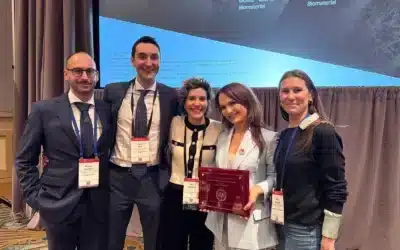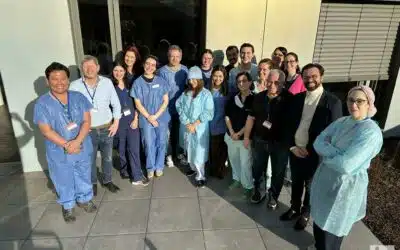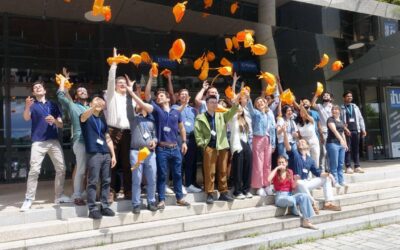
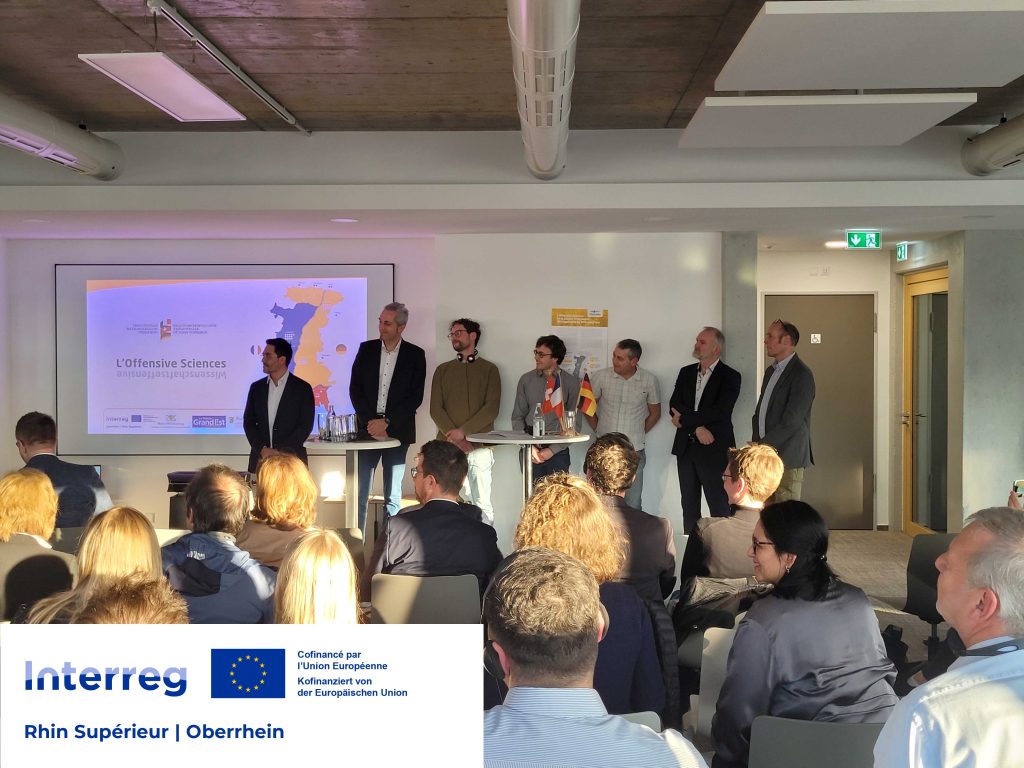
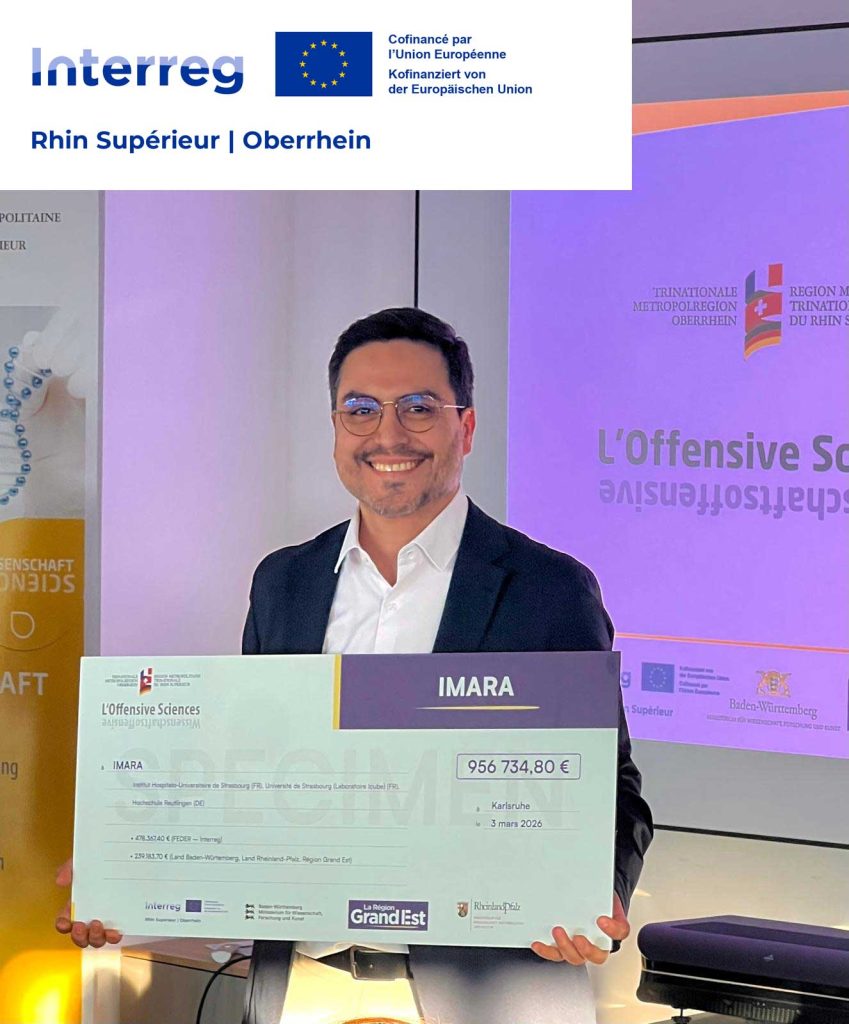
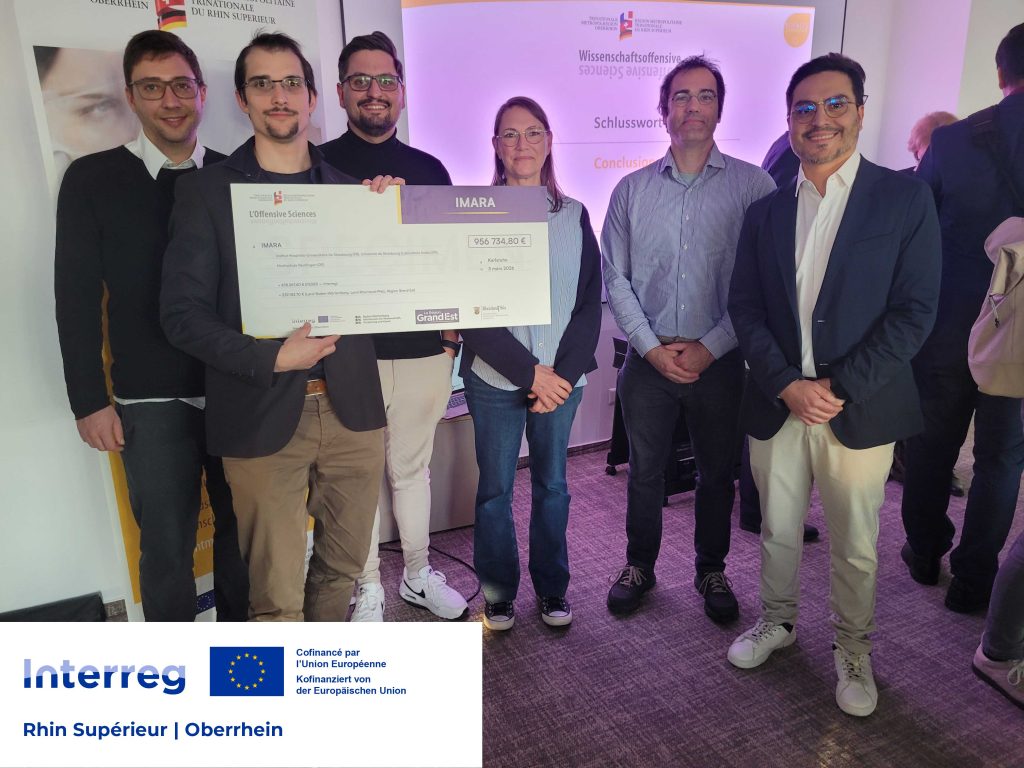
On March 3, 2026, the Franco-German IMARA project team was present at the Karlsruhe Technology Park Campus for the launch event of the Science Offensive projects supported by the Interreg Upper Rhin program. IMARA (Imitation MAchine for Robotic Assistance) aims to develop a lightweight robotic platform to assist nursing staff in the operating room environment.
Meeting a daily challenge in the operating room
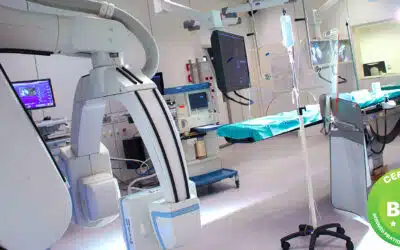
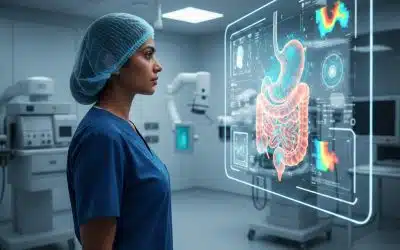
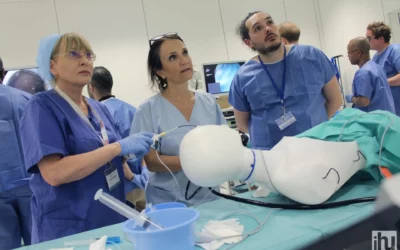
Today, nursing teams and IBODEs (state-certified operating room nurses) devote a significant portion of their time to time-consuming logistical tasks: preparing, checking, and transporting equipment. To address this issue, the IMARA project aims to design a robotic platform that combines an autonomous mobile robot, to transport instruments from storage areas to the operating room, with an intelligent robotic arm capable of learning and reproducing basic nursing tasks for the preparation and presentation of sterile instruments.
The objective is clear: to relieve caregivers of time-consuming and repetitive tasks so that they can refocus on their core business, patient care and safety, while streamlining operating room logistics.
Franco-German partnership to launch a European dynamic
Led by the IHU Strasbourg, the IMARA consortium brings together the team from the Imaging, Robotics, and Innovation for Health (IRIS) platform at the ICube laboratory of the University of Strasbourg, Reutlingen University, the Fraunhofer IPA Institute in Mannheim, the Operating Room Nurse Training Institute of the Colmar Civil Hospitals, and the Bosch Health Campus in Stuttgart.
Artificial intelligence and robotics laboratories, third-party testing facilities, paramedical training centers: a complementary group of stakeholders who share a common vision of the needs expressed by operating room nursing teams, which they aim to address with a pragmatic solution. IMARA’s ambition is to lay the foundations for a new industrial sector in the Upper Rhin region to produce lightweight, economical, and interoperable robots for hospital assistance.
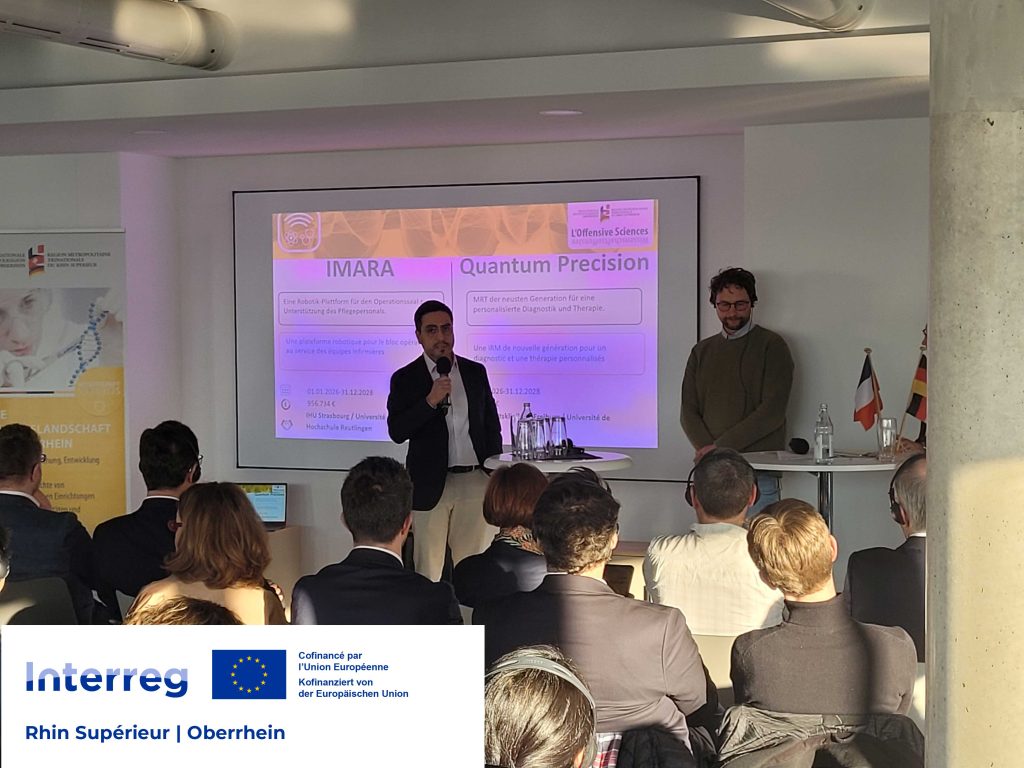
During the presentation of the project, Dr. Alain Garcia reiterated the philosophy behind this consortium: “Our main challenge is to develop robotic solutions capable of effectively supporting nurses in the operating room. To achieve this, these technologies must be adapted to the real constraints of the field, remain flexible and scalable, and above all, be easily adoptable by healthcare professionals.”
The total budget for the IMARA project is €956,734, with €478,367 in funding from the European Regional Development Fund (FEDER) and the Interreg Upper Rhin program, and €239,183 from the Grand Est region, the state of Baden-Württemberg, and the state of Rheinland-Patz.
On behalf of the IMARA consortium, IHU Strasbourg would like to express its warmest thanks to the Interreg Upper Rhine program and the Offensive Sciences initiative, as well as their funders, for their invaluable support for cross-border innovation in the service of tomorrow’s healthcare.
Learn more about IMARA project:
www.interreg-rhin-sup.eu/projet/imara