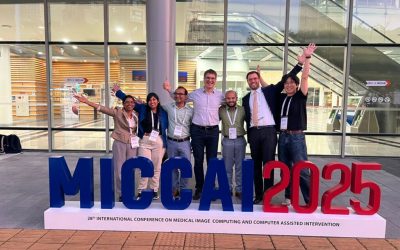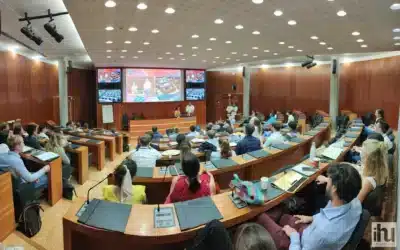
From September 27 to October 1, 2026, Strasbourg hosted MICCAI, the International Conference on Medical Image Computing and Computer-Assisted Intervention, bringing together the international community working in medical imaging and computer-assisted interventions.
MICCAI is one of the leading and most selective international scientific conferences in the field, bringing together scientists, clinicians, and industry working at the forefront of medical image computing, artificial intelligence and computer-assisted interventions. The conference and its numerous satellite events provide a unique forum to present and discuss the latest scientific advances, foster collaborations and explore their translation into clinical practice.
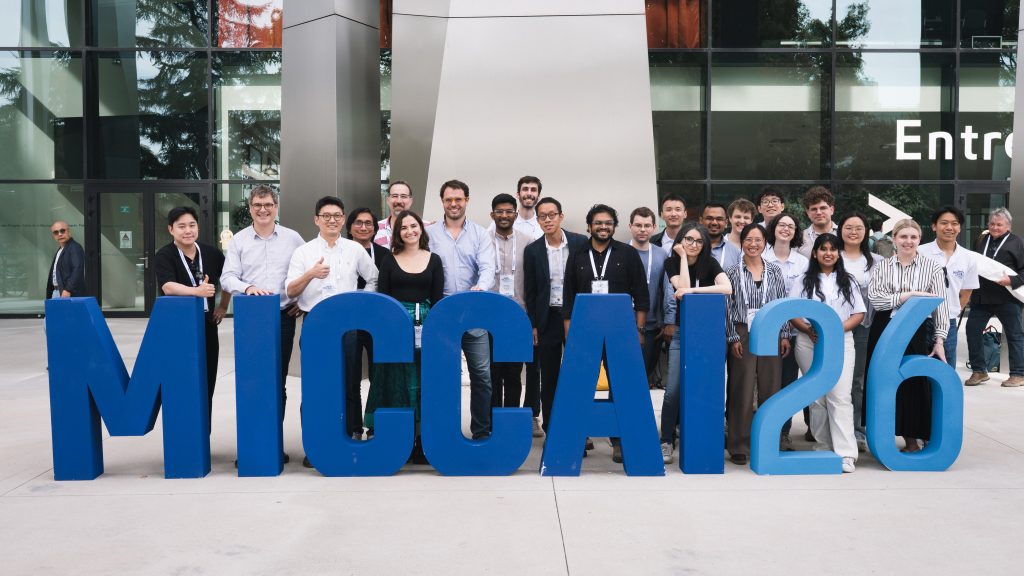
CLINICCAI: bringing clinicians closer to MICCAI
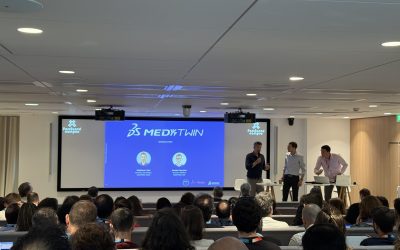
IHU Strasbourg was particularly pleased to see the 6th edition of CLINICCAI, a clinical day launched by IHU Strasbourg in 2021 to strengthen the participation of clinicians within the MICCAI community.
CLINICCAI creates a dedicated forum for exchanges between clinicians, computer scientists and engineers, with a particular focus on the clinical translation of technologies emerging from the MICCAI community. This mission closely reflects IHU Strasbourg’s ambition to bridge technological innovation and clinical expertise and accelerate the development of solutions that can ultimately benefit patients.
Two satellite events organized by the IHU–ICube CAMMA team
The joint IHU Strasbourg–ICube CAMMA research team led by Prof. Nicolas Padoy also actively contributed to the scientific program through two successful MICCAI satellite events.
-
The MultiSAT Challenge brought the community together around benchmarking advances in surgical action recognition, providing a common framework and a multicentric dataset on gastric bypass for evaluating and comparing novel AI approaches.
-
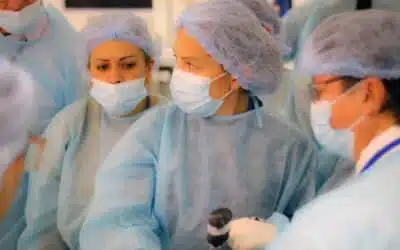
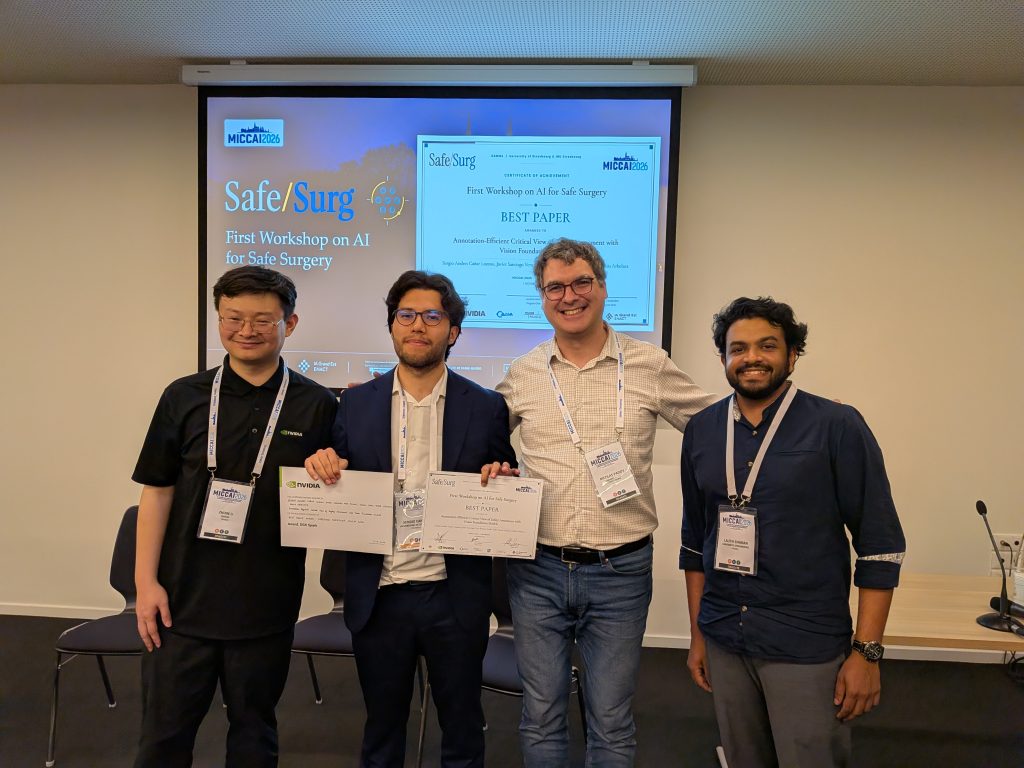
The SafeSurg Workshop, the first MICCAI workshop dedicated specifically to AI for safe surgery, brought together clinicians, researchers and engineers to discuss how artificial intelligence can contribute to surgical quality and safety, from data and model development to clinical deployment. The scientific program combined oral presentations, short presentations and posters covering topics such as safety-critical applications, surgical quality assessment, robustness and generalization, and human–AI interaction.
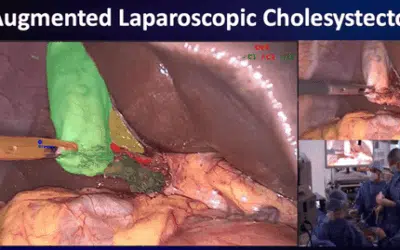
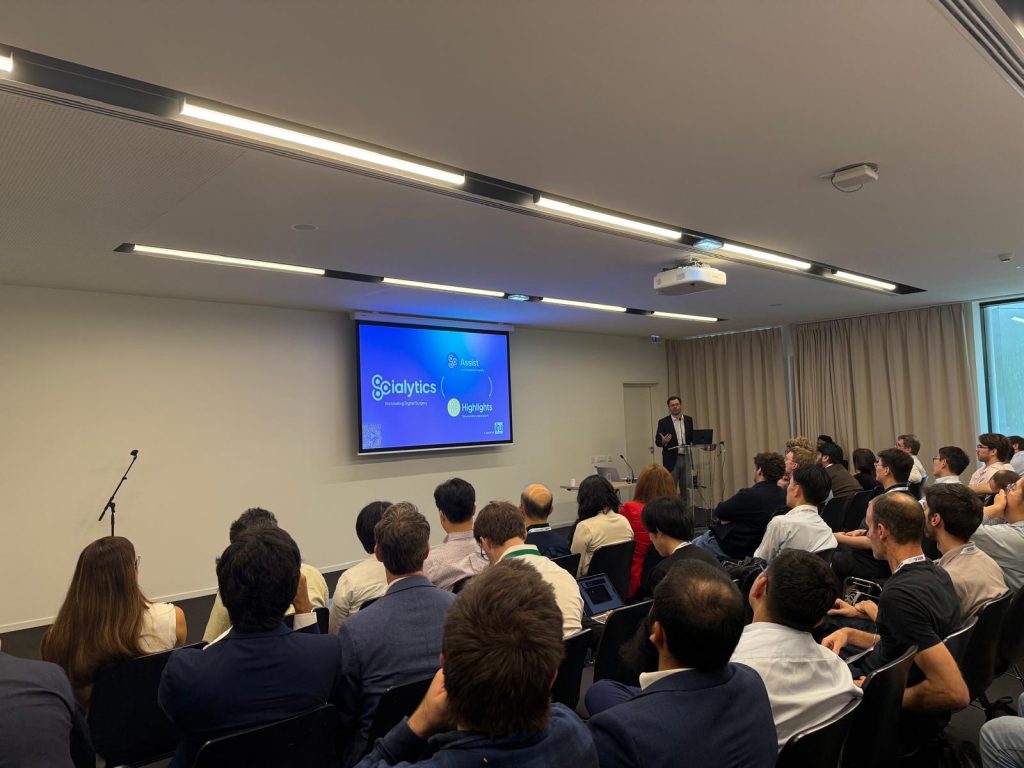
The workshop opened with a presentation by Pietro Mascagni (IHU Strasbourg / Scialytics) on the use of AI to assess surgical quality, from the Critical View of Safety in laparoscopic cholecystectomy to more complex surgical procedures.
Two invited keynotes complemented the scientific presentations:
- Prof. Alberto Arezzo, University of Turin and President-Elect of the European Association for Endoscopic Surgery (EAES), presented “AI-driven error detection in surgery: a clinical perspective”, highlighting the clinical requirements and challenges that must be addressed to translate AI from data to deployment.
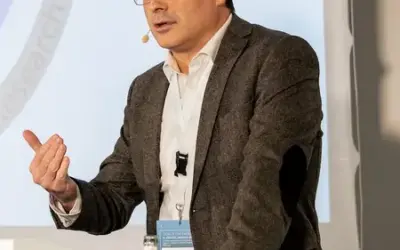
- Prof. Nassir Navab, Chair of Computer Aided Medical Procedures & Augmented Reality at the Technical University of Munich (TUM), delivered “Building holistic and trustworthy AI systems for the OR”, addressing the development of reliable AI systems for the operating room.
The program ended with an exciting panel discussion on “What it takes to bring AI closer to safer surgeries?” featuring four panelists: Prof. Nicolas Padoy, Prof. Namkee Oh, Prof. Nassir Navab, Prof. Sophia Bano, and Dr. Adam Schmidt representing Intuitive. Together, these contributions fostered exchanges between the clinical and technical communities around a central question for the future of surgical AI: how can AI systems be designed, evaluated and deployed to genuinely improve surgical safety?
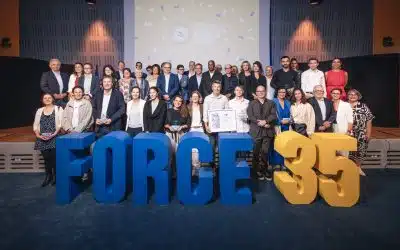
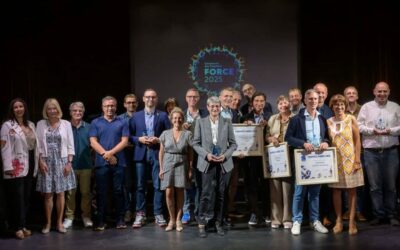
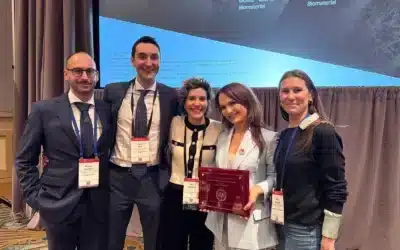
We also extend our special thanks to ITI HealthTech and NVIDIA for sponsoring the awards for these events and supporting the recognition of outstanding contributions from the community.
Connecting with the MICCAI community at IHU Strasbourg
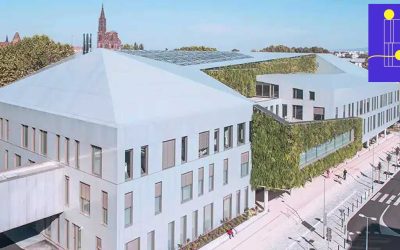
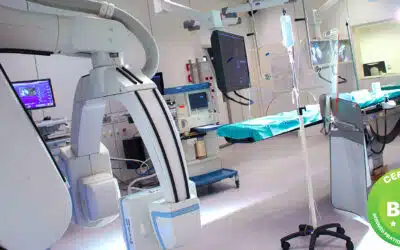
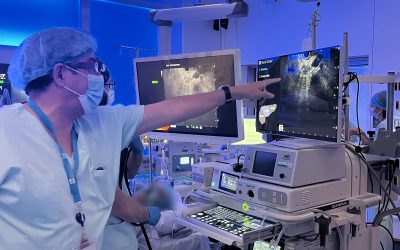
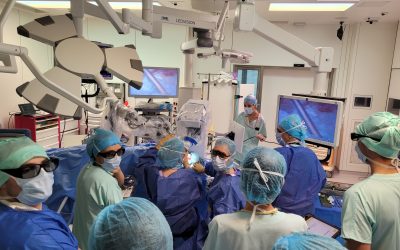
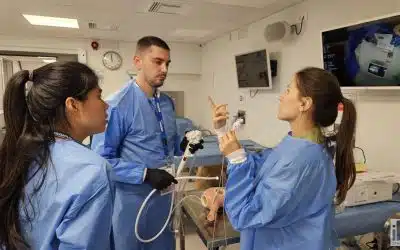
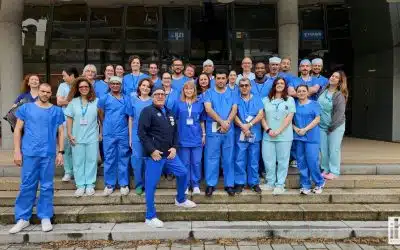
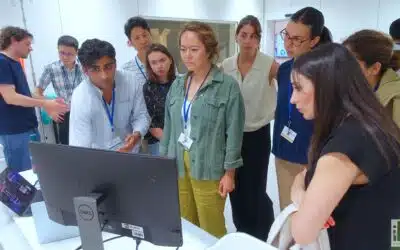
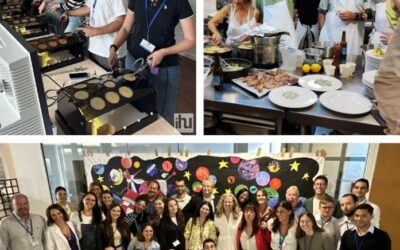
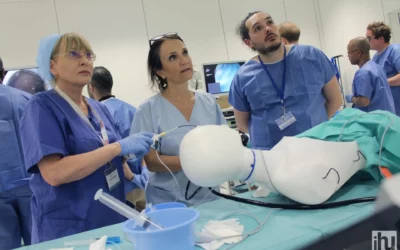
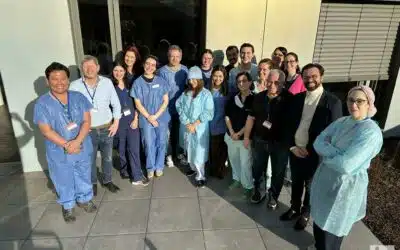
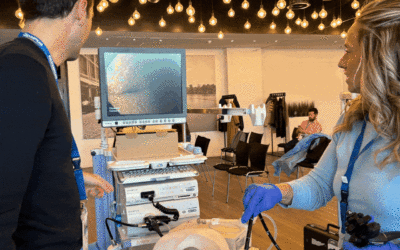
Having MICCAI in Strasbourg also provided a unique opportunity for exchanges with colleagues from around the world. Before, during and after the conference, IHU Strasbourg hosted numerous visitors who came from all over the word to discover its facilities, research activities and innovation ecosystem and to discuss opportunities for future scientific and clinical collaborations.
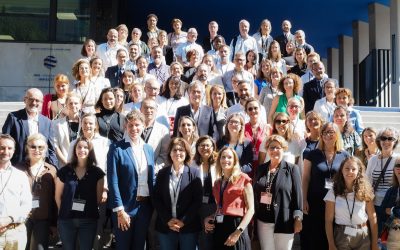
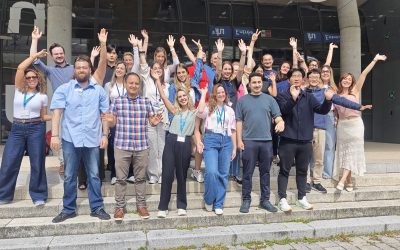
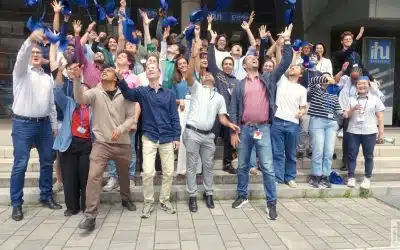
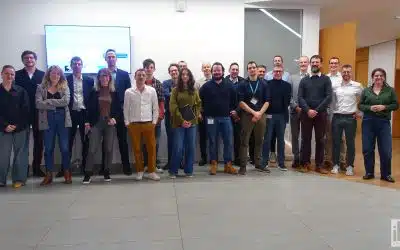
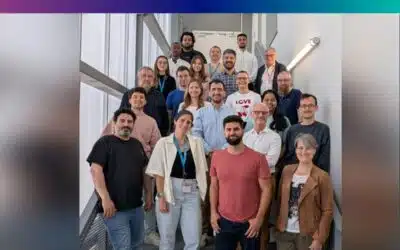
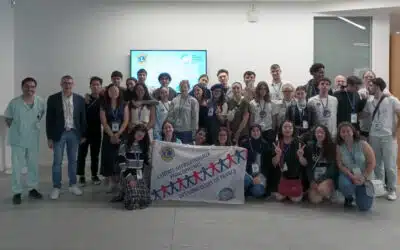
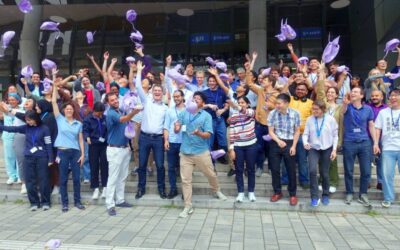
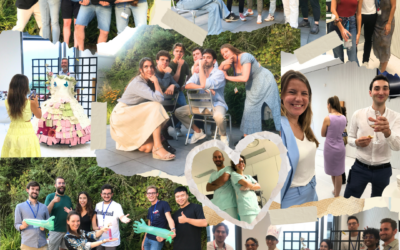
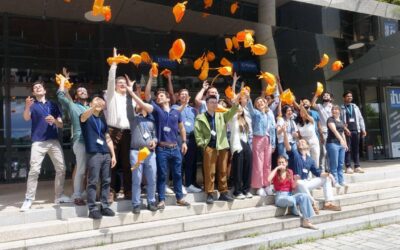
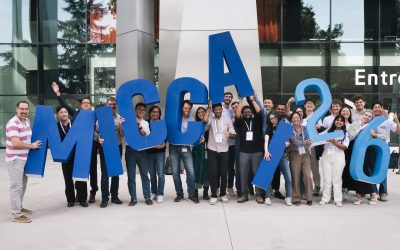
The week was also a significant collective effort. Many students from the CAMMA team volunteered their time to support the conference and its satellite events throughout the week. We warmly thank them for their enthusiasm, commitment and contribution to making the week a success.
IHU Strasbourg was delighted to take part in MICCAI 2026 and to contribute to a week of scientific exchange, collaboration and innovation in Strasbourg.