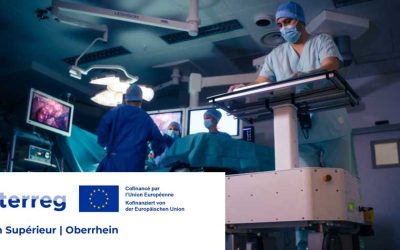
On August 25, 2026, the gastrointestinal endoscopy team at the Strasbourg University Hospitals (HUS) validated the first clinical use in France of the mAI Companion® device at IHU Strasbourg. Co-developed by iGlobe Scientific, a joint venture between IHU Strasbourg and Medi-Globe, this CE-marked medical device uses artificial intelligence to assist in endoscopic ultrasound examinations of the pancreas, particularly for the early detection of pancreatic cancer.
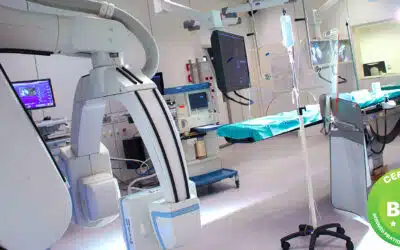
Inside the Operating Room: A Decisive Morning
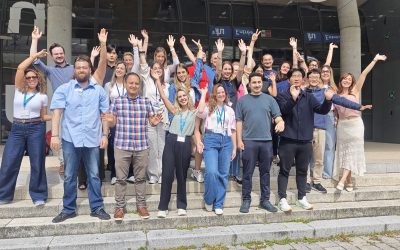
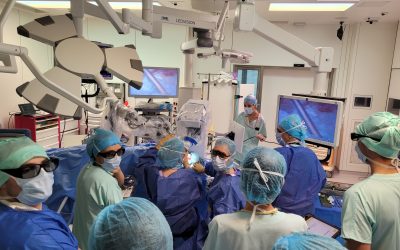
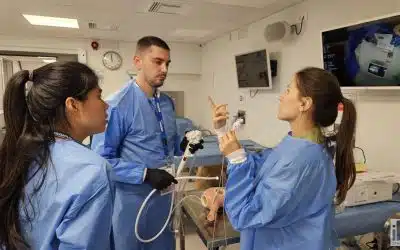
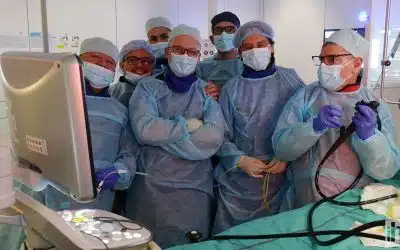
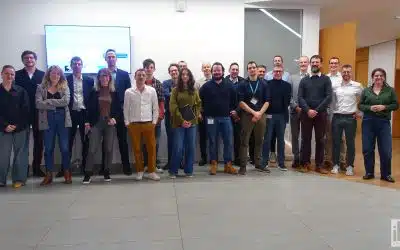
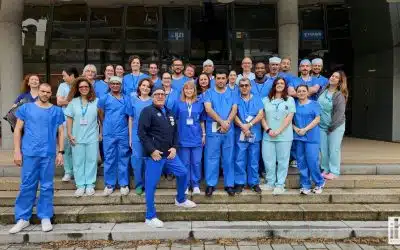
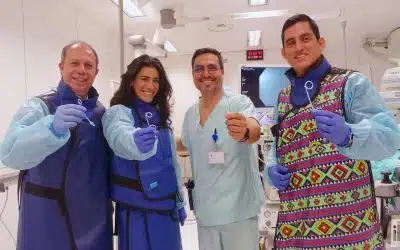
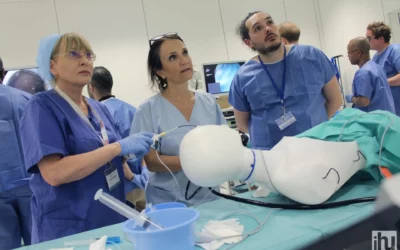
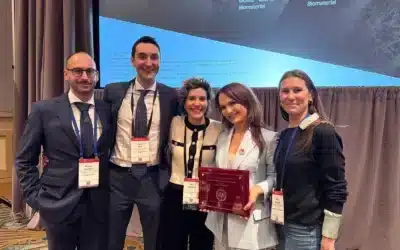
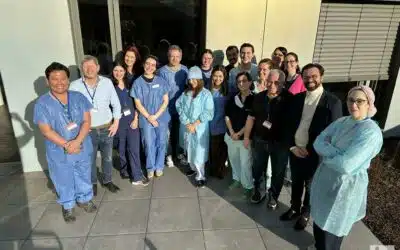
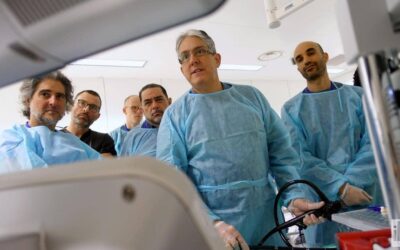
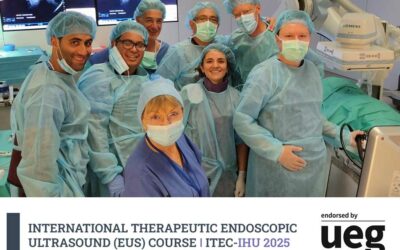
For this first procedure, four routine clinical examinations were performed. The procedure involved Prof. François Habersetzer, Dr. Pierre-Emmanuel Mayer, and Dr. Pierre-Yves Christmann from the HUS; Dr. Leonardo Sosa Valencia from the IHU Strasbourg; and Jean-Paul Mazellier, technical director of iGlobe Scientific.
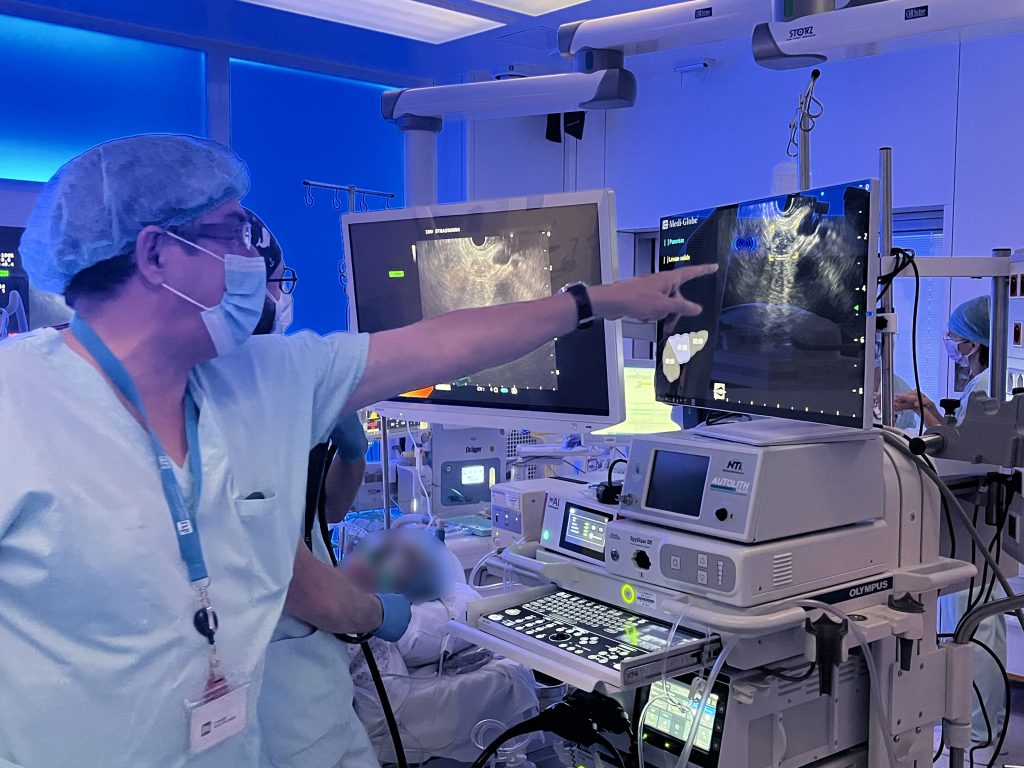
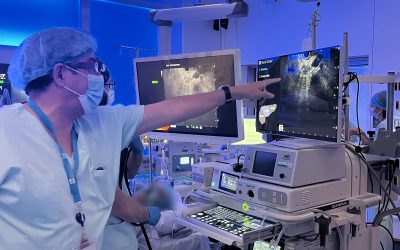
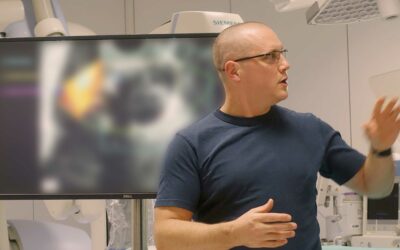
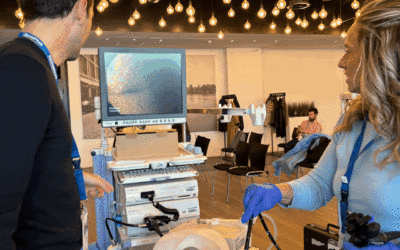
Dr. Leonardo Sosa Valencia, an expert in endoscopic ultrasound at the IHU Strasbourg – Photo credit: iGlobe Scientific
Real-Time AI Assistance for Clinicians
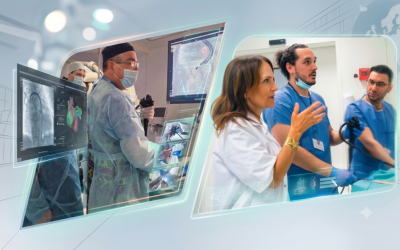
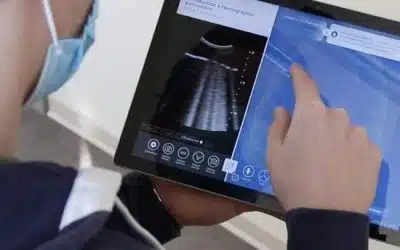
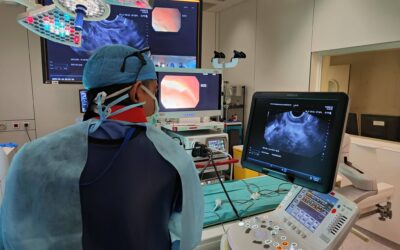
The mAI Companion® device connects easily to any type of endoscopic ultrasound equipment. It receives a copy of the video feed, which it analyzes locally and in real time, then displays annotations on a dedicated screen. This information helps the clinician examine the pancreas by drawing their attention to specific areas and enabling them to perform as thorough an analysis as possible. The system operates in a closed loop; no data is transmitted externally, ensuring absolute security of medical data. At all times, the clinician remains in control and retains full responsibility for interpretation and clinical decision-making.
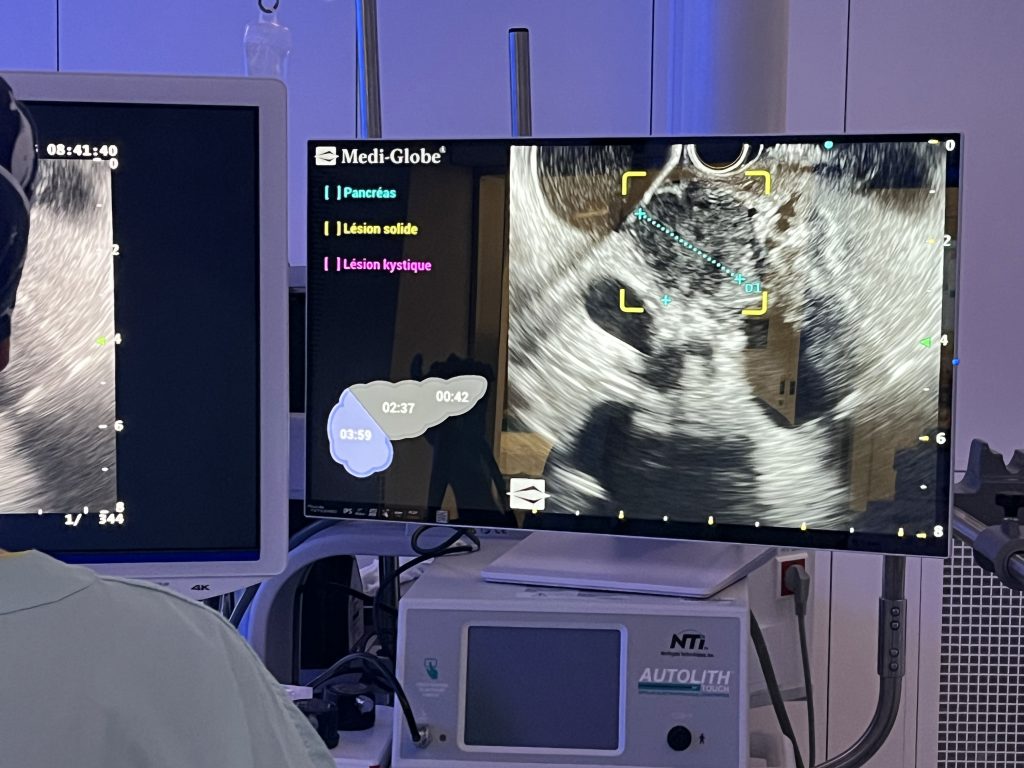
mAI Companion® artificial intelligence (AI) assistant creating annotations on specific areas of the pancreas during the patient’s examination – Photo credit: iGlobe Scientific
The Success of a Franco-German Partnership in R&D and Technology Transfer
The mAI Companion® innovation exemplifies the transition from cutting-edge academic research to a functional clinical tool that benefits patients.
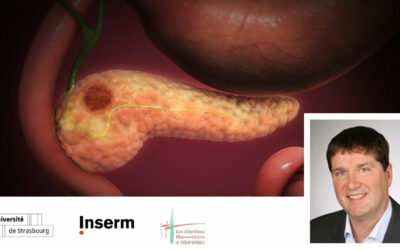
The story began in 2021 with the APEUS (Augmented Pancreatic Endoscopic Ultrasound) project, supported by the ARC Foundation. APEUS was led at the IHU Strasbourg jointly by Dr. Leonardo Sosa Valencia, a gastroenterologist specializing in endoscopic ultrasound, and Prof. Nicolas Padoy, director of the CAMMA (Surgical Data Science and Artificial Intelligence). The promising results obtained convinced the German company Medi-Globe to enter into a research and development collaboration with the IHU in April 2022.
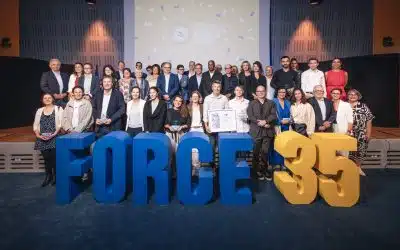
This collaboration led to the creation of the joint venture iGlobe Scientific SAS, established in Strasbourg to develop the medical device, which is marketed by Medi-Globe GmbH, the device’s authorized manufacturer. Having obtained CE marking in early 2026, mAI Companion® demonstrates the strength of Strasbourg’s ecosystem for research and innovation in the field of medical technology.
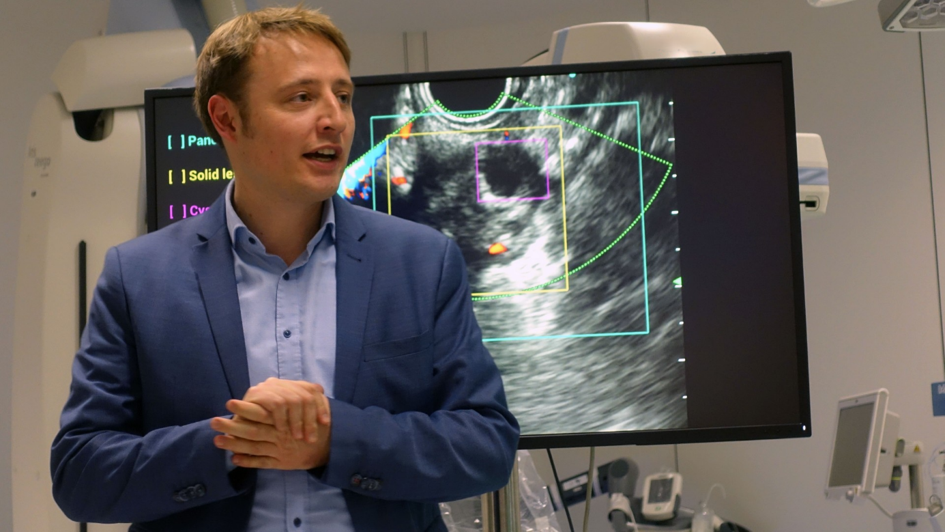
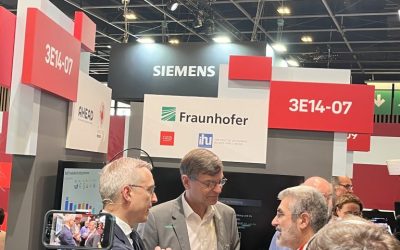
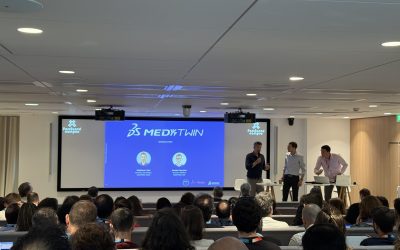
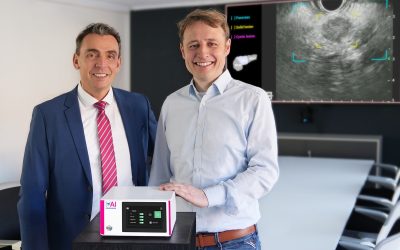
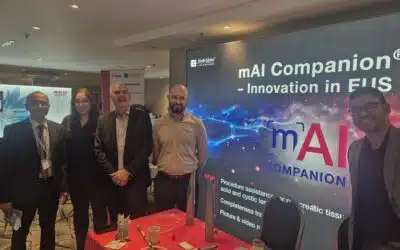
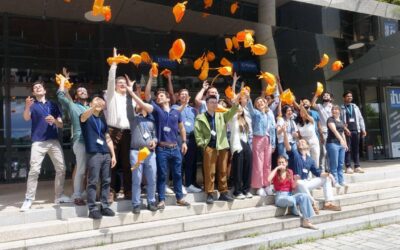
The AI assistant, mAI Companion®, complies with the European Medical Device Regulation (MDR) and will be CE-marked in 2026, with Dr. Markus Schönberger, Managing Director of Medi-Globe—Photo credit: IHU Strasbourg
Examples of lesions detected by the mAI Companion® AI assistant
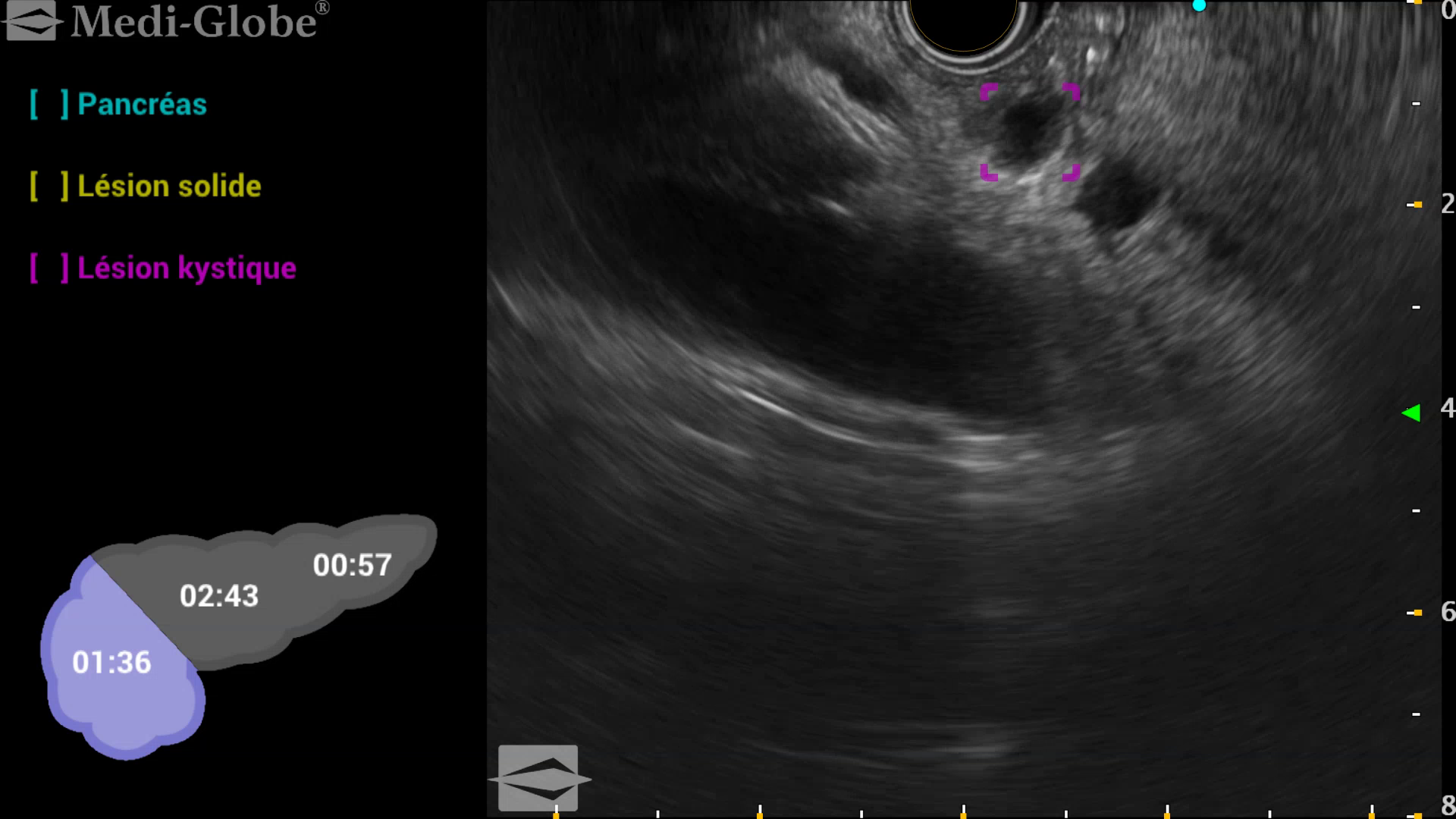 Photo credit: iGlobe Scientific |
Cystic lesion of the head of the pancreas of 6mm detected by mai companion during a pancreatic evaluation for pancreatitis, corresponding to a IPMN of branch duct with a benignant aspect. |
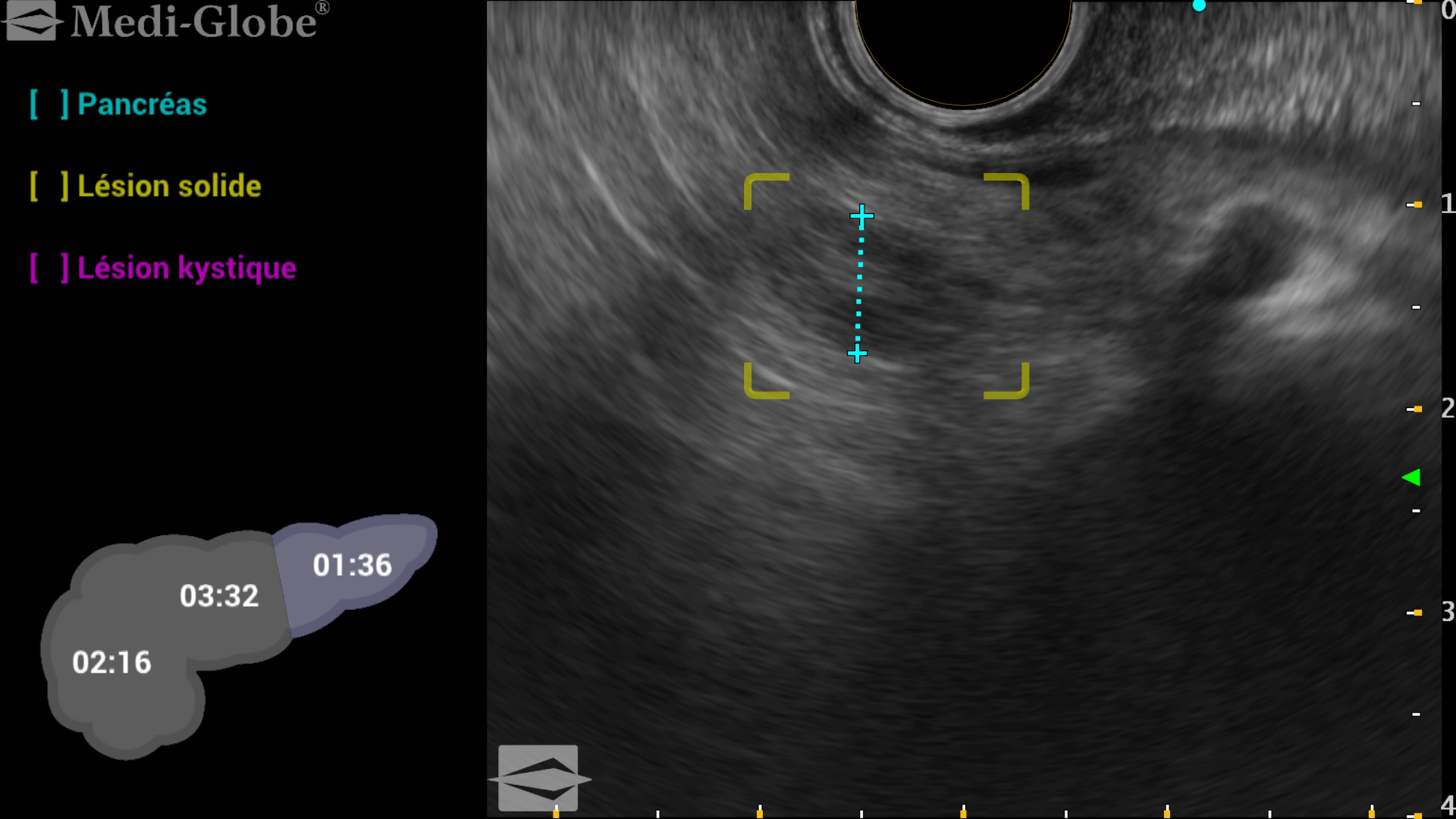 Photo credit: iGlobe Scientific |
Solid lesion of the tail of the pancreas with less than 10mm, another IPMN with mucus inside detected by mai companion after acute pancreatitis that look solid due to the content. |
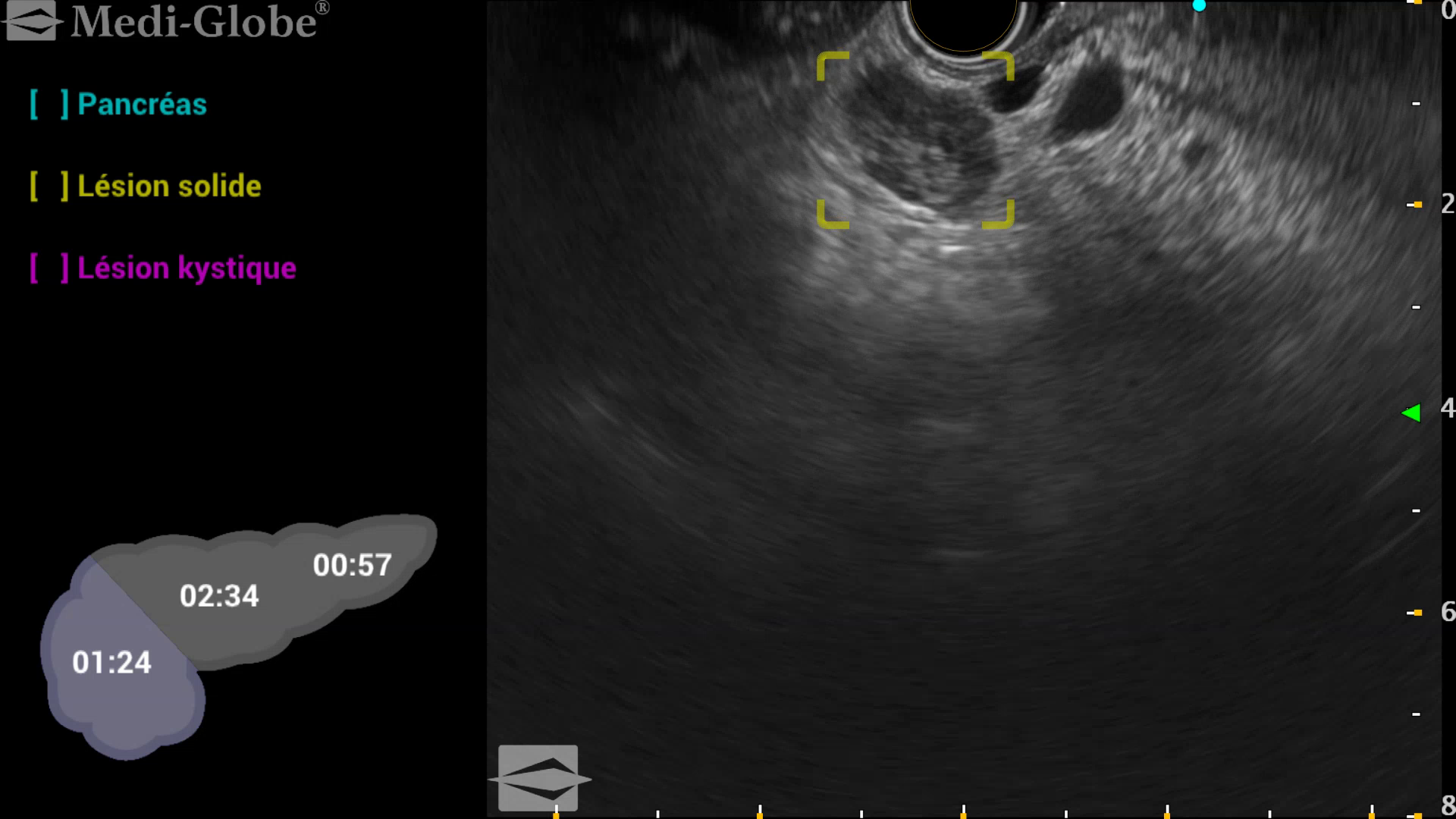 Photo credit: iGlobe Scientific |
Solid lesion of the head of the pancreas between 10 to 15 mm, possible NET. |
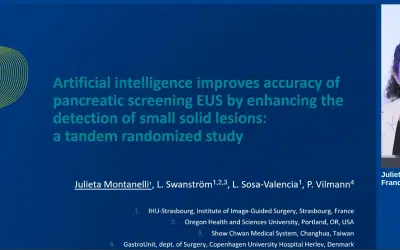
To learn more: Check out our retrospective on the CE marking of mAI Companion® and our article on the impact of AI on the detection of pancreatic lesions.
Are you a healthcare professional or an industry partner interested in learning more about integrating mAI Companion®?
Would you like to contact the iGlobe Scientific team?
 |
 |
 |
 |
 |
 |